|
 |
|
|
 |
|||||||||||||||||||||||||||||||||||||||||||||||||||||||||||||||||||||||||||||||||||||||||||||||||||||||||
|
|||||||||||||||||||||||||||||||||||||||||||||||||||||||||||||||||||||||||||||||||||||||||||||||||||||||||
Español | 中文 | 日本 | Française | Italiano | Deutsch | 한국어 | Россию | پارس
This lifestyle was not a choice that we made. We were driven into the mountains, into the rocks -- languished there for 150, 200 years not having an opportunity to access the economics of this rich and abundant country. We need to be in a place where those children that are not yet born -- we know those seven generations ahead of today -- need to be in a place where they can stand, have their own land to stand on to be able to make choices, to be able to live in dignity.
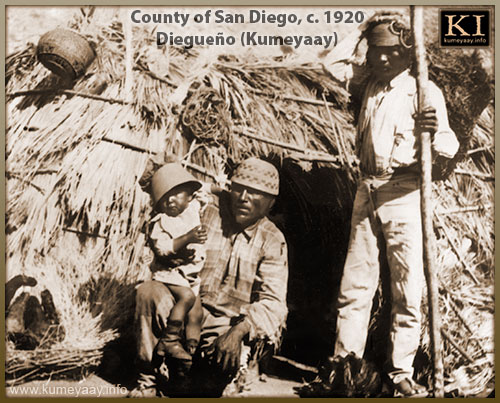
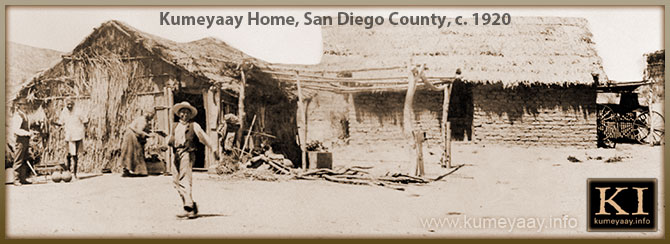
COUNTY OF SAN DIEGO c. 1920: Two Kumeyaay men in front of an ewaa-kicha-style thatched hut. MORE INFO |
|
THE KUMEYAAY aka: Diegueño (early Spanish) TIMELINE: PRECONTACT | FIRST CONTACT 1542 | COLONIAL INVASION 1769 KOSA'AAY (What were they after?) | FIRST SETTLERS 1776 | MISSION PERIOD 1769-1823 | WARS | TREATY OF GUADALUPE HIDALGO 1848 | GOLD RUSH | GENOCIDE "IN THE NAME OF THE CHURCH" | 20TH CENTURY SURVIVAL | 21ST CENTURY & CULTURE | KUMEYAAY CASINOS | RESEARCH GUIDE | TRIBES & SOVEREIGNTY
Dr. Florence Shipek Ph.D., Kumeyaay Anthropologist estimated there was a population of 16,000-25,000 Kumeyaay tribal members living in the US-Mexico border region in the mid 1700s at the time of Colonial invasion (Kosa'aay Cosoy). It is believed only around 1,000 Kumeyaay Aboriginals survived the genocidal effects of colonialism at the turn of the 20th century.... |
||||||||||||||||||||||||||||||||||||||||||||||||||||||||||
| 600 GENERATIONS IN SAN DIEGO COUNTY:
Based on 20-year reproduction cycles |
||||||||||||||||||||||||||||||||||||||||||||||||||||||||||
|
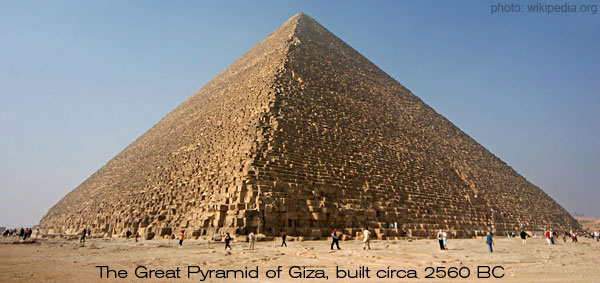
After hundreds of years of diligent archaeological research by experts and Kumeyaay museums full of hard tangible evidence, relics and artifacts gleaned from many hundreds of Southern California Indigenous sites, it is widely accepted that today's Kumeyaay tribal members can trace their lineage back some 12,000 years -- 120 centuries in the San Diego area! That's some 600 generations the Kumeyaay have occupied what is now known as the County of San Diego!! For anyone counting backwards, that's the year 10000 BC, and that's more than 9,000 years BEFORE the Great Pyramid of Giza was built!!!
Webmaster's note: Any good artist strives to incorporate the subliminal into his or her multimedia presentations -- and this pyramid is a great example. WE TRULY STAND ON THE SHOULDERS OF OUR ANCESTORS. CAN YOU IMAGINE? If you or I are represented as the top block in this pyramid, all the mothers and fathers (grandparents) who got us to this point over many generations may be imagined as building blocks to create this symbolic metaphoric image. JUST DO THE MATH, for example:
That's only the proverbial "7 generations" -- mathematically representing the 128 biological mothers and fathers that every person has in his or her Family Tree. |
||||||||||||||||||||||||||||||||||||||||||||||||||||||||||
|
21-GENERATION, 420-YEAR MODEL:
Experts say there are some 2.3 million stone blocks in the Great Pyramid of Giza (photo above). To visualize the enormity your ancestor pool -- only the biological parents who got you here over the past 420 years -- from about 1605: If you counted only the last 21 generations of YOUR Family Tree -- you have exactly 2,097,152 maternal and paternal biological grandfathers and grandmothers -- nearly completing the Giza model.
GO BACK 4 GENERATIONS MORE to 1525 (about 500 years): If you counted the last 25 generations -- each one of us has exactly 33,554,432 (33.5 million) individual biological grandparents who are directly responsible for one's life. I cannot think of an analogy for YOUR 600 generations... maybe the stars in our galaxy? Or a metaphor for the ancestor pool of 1,000s of your fellow tribal members. But the numbers defy human comprehension.... FACT CHECK: |
||||||||||||||||||||||||||||||||||||||||||||||||||||||||||
For help Tracing your Family Tree, Tribal Enrollment, Benefits and Services, Dawes Rolls, DNA Genetic Testing ... please visit our GENEALOGY WEB PORTAL. |
||||||||||||||||||||||||||||||||||||||||||||||||||||||||||
|
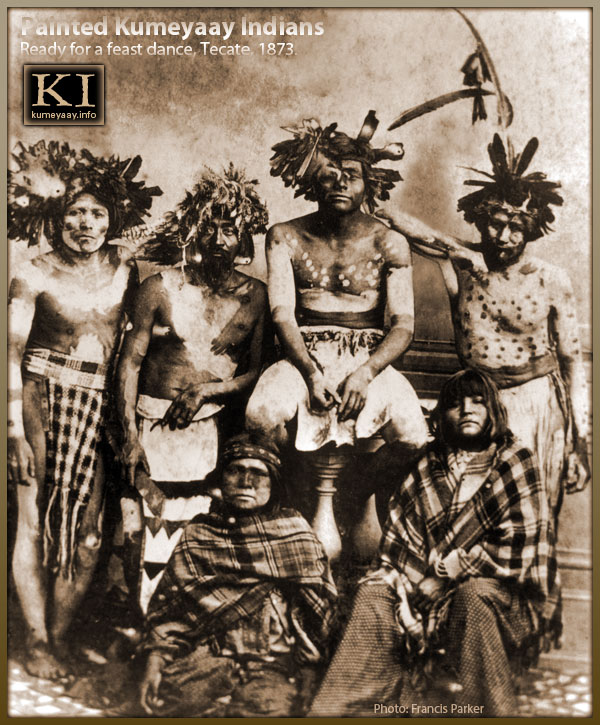
EARLIEST PHOTO at Tecate, c.1873:
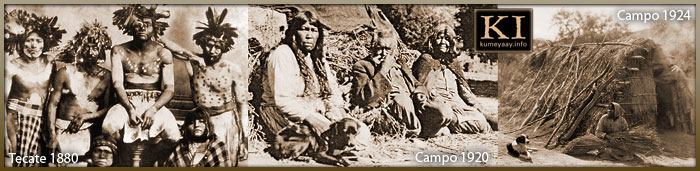
Kumeyaay Indians pictured 1873 in feathered headdresses, loin cloths, shawls, face and body paint for a feast ceremony. |
||||||||||||||||||||||||||||||||||||||||||||||||||||||||||
|
GREAT GREAT GRANDFATHER of Anthony Pico, chairman of the Viejas band:
|
||||||||||||||||||||||||||||||||||||||||||||||||||||||||||
|
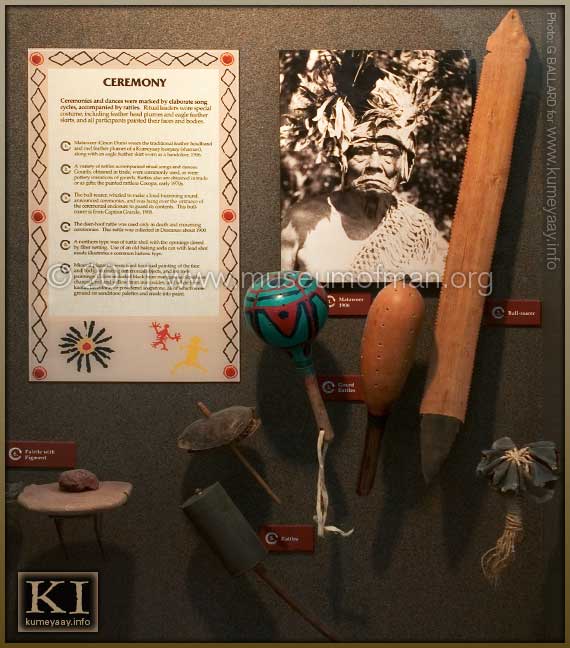
Mataweer, Cinon Duro, chief of Mesa Grande band, Ipai-Kumeyaay, pictured wearing the traditional feather headband and owl feather plumes of a Kumeyaay kuseyaay (shaman), along with an eagle feather skirt worn as a bandoleer, 1906. Display/Caption © 2011 Museum of Us. |
||||||||||||||||||||||||||||||||||||||||||||||||||||||||||
| A Kumeyaay Prayer by a Warrior (2011): | ||||||||||||||||||||||||||||||||||||||||||||||||||||||||||
 I will pray to the Creator to give me strength and courage, to show pity on me for I am a pitiful man and I need help everyday of my life. I will pray to the Creator to give me strength and courage, to show pity on me for I am a pitiful man and I need help everyday of my life.
I will thank the Creator for all my blessings and good fortune, for all my family and all my relations. I just try to tell myself that I'm a proud Rezdog.
|
||||||||||||||||||||||||||||||||||||||||||||||||||||||||||
 Webmaster's Forward: |
||||||||||||||||||||||||||||||||||||||||||||||||||||||||||
|
2004 (updated 2011) AS A NON-NATIVE WEBMASTER with superficial perspectives and OPINIONS on the Kumeyaay-Diegueño-Iipay-Tipay peoples, I have editorial responsibility to present some information about Indigenous history in San Diego County. I'm not a BOOKWORM or an ACADEMIC by any stretch, but I do have some skills you may find useful and interesting:
Pretty 18-year-old Citlalli Salazar, Kumiai models an antique basket hat (probably desert Cahuilla). Her Baja California ejido pictured in background, a rare old Kumeyaay polychrome olla clay artifact to right.
KUMEYAAY CULTURAL REPATRIATION:
|
||||||||||||||||||||||||||||||||||||||||||||||||||||||||||
| KUMEYAAY TIMELINE (10000 BC-2026)
TimeLines Tell The Story... |
||||||||||||||||||||||||||||||||||||||||||||||||||||||||||
| PRECONTACT: 10000 BC-1542
HARD ARCHEOLOGICAL EVIDENCE clearly suggests the Kumeyaay Indians have lived in the greater San Diego and northern Baja California Mexico area for some 12,000 years (600 generations)!
PRE-CONTACT Kumeyaay Life:
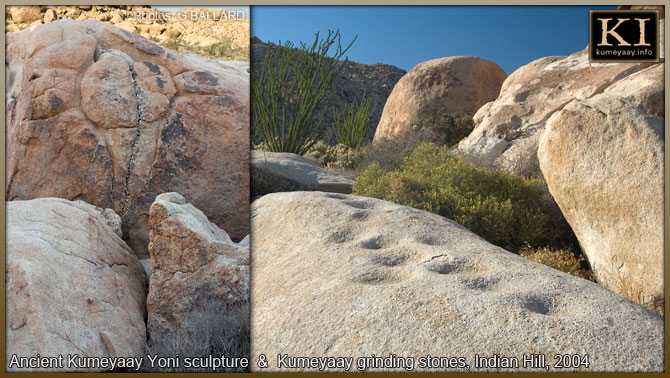
Clear and convincing historical records: Perhaps no ancient artifact weathers the passage of time more convincingly than exposed granite -- pictured above is a large yoni sculpture carved in granite rock, and deep impressions drilled in a granite boulder called motars, morteres, metates, grinding holes, grinding stones, milling stones. Both desert scenes above appeared from Late Prehistoric Period and were photographed a few hundred yards apart at a well-known remote San Diego County indigenous site: Indian Hill, Anza Borrego, California, 2004. Most everywhere we find granite boulders in Southern California, we can observe these types of man-made holes, dimples or impressions in the rocks -- timely reminders of California's original peoples.
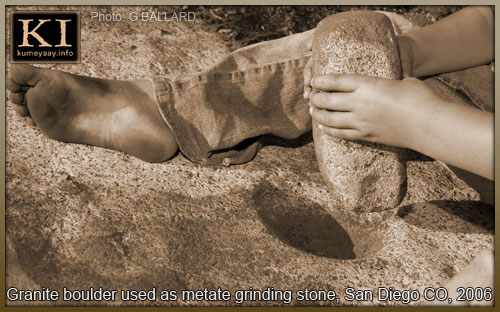
Above: A young California Indian girl demonstraits how her ancestors used the granite boulders as grinding stone tools to prepare food. She is pictured on her reservation holding a large "mano" stone above a very old hole worn into a granite boulder, San Diego County, 2006. Traditional Kumeyaay food sources such as acorns and pine seeds, for example, were placed in these holes, then smashed and ground into meal using a mano stone tool. Acorns were a staple food source of the traditional Kumeyaay diet, as such, oak trees were not generally cut down by the Indians because they grow this important food source. |
||||||||||||||||||||||||||||||||||||||||||||||||||||||||||
| FIRST CONTACT "Discovery": 1542
Late Prehistoric Stone-Age existence |
||||||||||||||||||||||||||||||||||||||||||||||||||||||||||
|
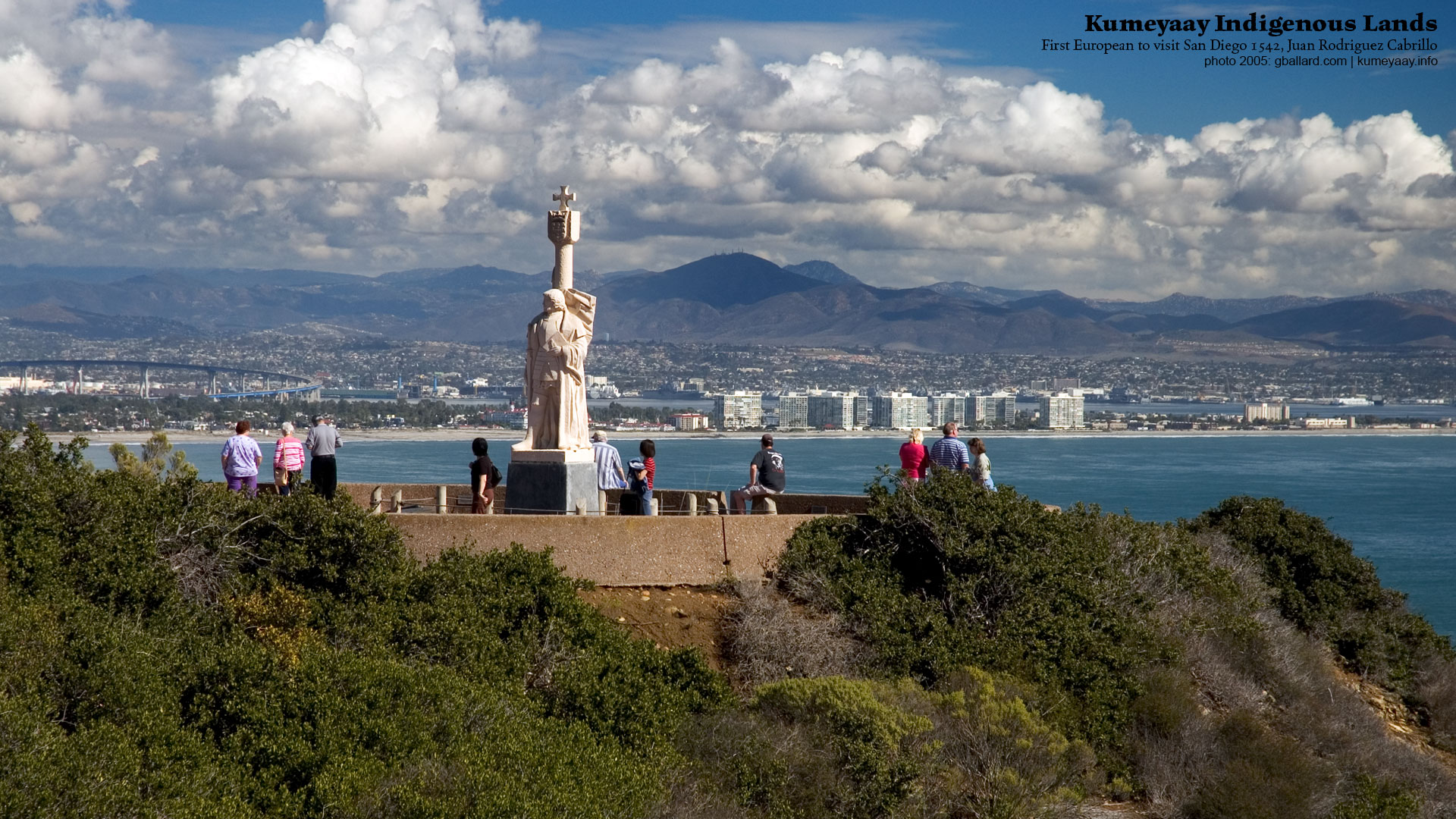
THE FIRST EUROPEAN EXPEDITION known to visit San Diego, in 1542, was a Spanish sailing expedition led by the Portuguese explorer Juan Rodriguez Cabrillo.
Photograph captures Cabrillo National Monument in Point Loma today (2005) as it overlooks San Diego Bay in honor of the first known European to enter California. Michael G. Baksh, Ph.D.:
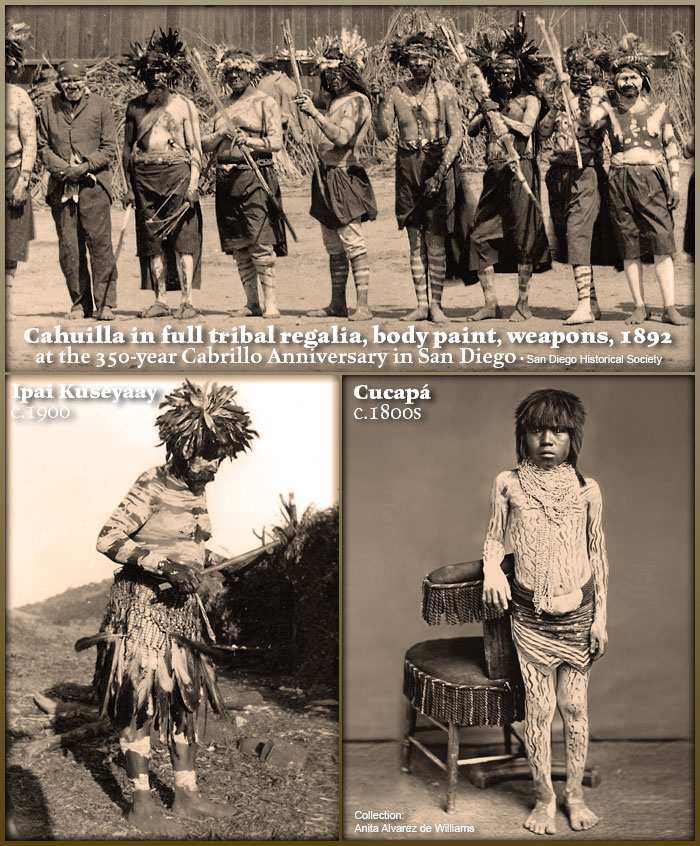
This final period of prehistoric occupation in San Diego and Imperial counties was characterized by a hunting and gathering economy, with a heavy emphasis on the exploitation of acorns in the mountains and mesquite beans in the desert... MORE. The top row of Cahuilla men in the above 3-in-1 montage mirror how the California Aboriginals likely appeared to Portuguese explorer Juan Rodriguez Cabrillo on the San Diego shorelines of "Discovery" 1542. And to how the primitive tribesmen appeared to Spanish explorer Gaspar de Portolà in the village of Kosa'aay ("Invasion" mid 1700s) -- the later historically footnoted as the founder of San Diego (and Monterey, Calif.). The Cahuilla tribe is considered Indigenous to the San Diego region. The Cucapá tribe is one of only two American Indian tribes categorized within the so-called Hokan Delta-California language group. The tribemen in the set are likely displaying distinct markings identifying their tribal bands to each other -- if you knew what to look for (information probably lost to history). |
||||||||||||||||||||||||||||||||||||||||||||||||||||||||||
| EUROPEAN "Invasion": c.1760s
Colonial History -- Ground Zero for the California Tribes |
||||||||||||||||||||||||||||||||||||||||||||||||||||||||||
|
THE SPANISH EMPIRE sent its colonizing teams -- its Franciscan missionaries, Catholic priests, military, explorers, settlers -- into the Alta California thriving 1760s Aboriginal village known as Kosa'aay (Cosoy) to befriend the Kumeyaay inhabitants, gather intelligence on the fabled Seven Cities of Gold (Seven Cities of Cibola) and commence with their colonization plans.
Why were they here -- what were they after? Kumeyaay GOLD! The Spanish Empire was after fabled Kumeyaay golden cities and used the same invasion model they used 250 years earlier to plunder Aztec gold -- during the so-called global Age of Discovery (1489-1620). However, the big discovery of gold in California didn't occur until some 70 years later during the California Gold Rush of 1848.... KOSA'AAY (Old Town) c.1890 -- GROUND ZERO:
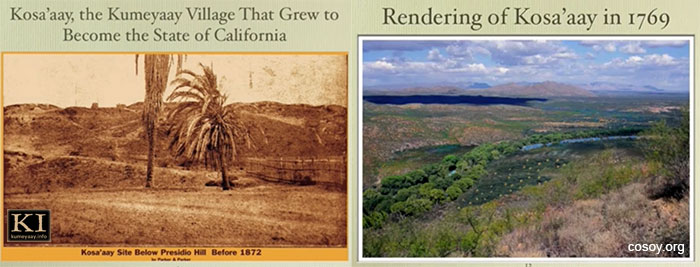
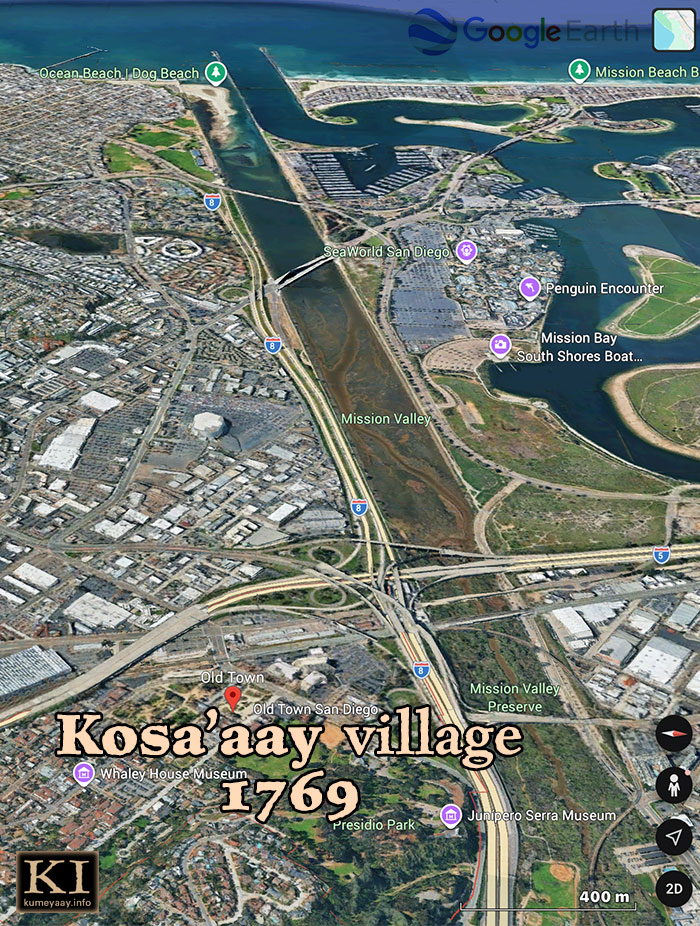
This area is known today as Old Town in San Diego, CA, and it remains prime real estate located at the base of Presidio Hill. It is bordered on the north by the San Diego River. San Diego Bay (south) and the Pacific Ocean (west) were good hikes away for the Indigenous. "History of San Diego 1542-1907" by WILLIAM E. SMYTHE (Introduction written in 1907) Further, the 2026 satellite view below maps the exact point where Interstate-8 intersects with I-5 and highlights the location's surrounding historical parkland, museums, period restaurants, attractions, including SeaWorld, Mission Beach Boardwalk, Ocean Beach Pier. Kosa'aay village today (early 21st century):
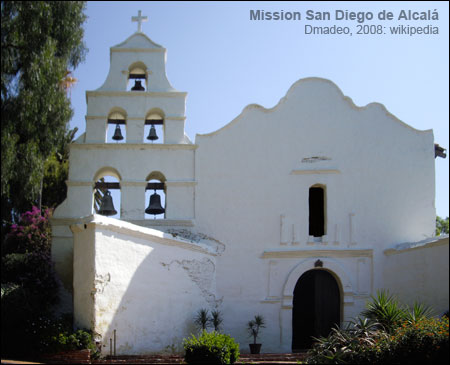
Location of Kosa'aay pictured in 2026, now known as Old Town San Diego, a popular tourist hotspot. "Presidio" translates to military fort. Junipero Serra Museum honors the priest who founded Mission San Diego de Alcalá in 1769 near Kosa'aay. Map: Google Earth The immigrants built the first river dike in the 1850s from large boulders to channel the water flow through marshland. Some of the Mission Bay islands (top right), including Fiesta Island, were man-made, sculpted from sand dredged from San Diego Bay in the 1940s-1960s so US navy ships could transit the bay. It's fairly easy to imagine what this area looked like when the Aboriginals controlled it into the 1700s -- prior to Colonial intrusion. The area approaching I-5 was likely a huge natural flood tidal marshland and estuary that resembled the current Mission Valley river channel. The landscape must have been magnificent to behold in it's natural state.... CATHOLIC MISSIONS | GARRISONS | SETTLEMENTS Once fortified, the Spaniards quickly spread mostly north, digging in along the West Coast. They built 21 Missions (religious compounds) and four main presidios (military forts) to take control the area and its resources. The Aboriginals soon began fighting with the Spaniards over poor treatment, forced religion, slavery and loss of their prime ancestral coastal lands, water and resources. The Mission Basilica San Diego de Alcalá was the first of 21 Franciscan missions the Spanish built in California between 1767-1883. It was founded near Kosa'aay (Old Town) in 1769 by Spanish missionary Fray Junípero Serra. Riotous Kumeyaay burned down the original mission and killed Father Luís Jayme on Nov. 4, 1775 in protest over forced religion, forced slavery, forced relocation and eviction from their prime areas.
MISSION SAN DIEGO DE ALCALA The Mission San Diego de Alcalá pictured in 2008. This structure is thought to be the fourth Mission San Diego de Alcalá to be built (wikipedia.org).
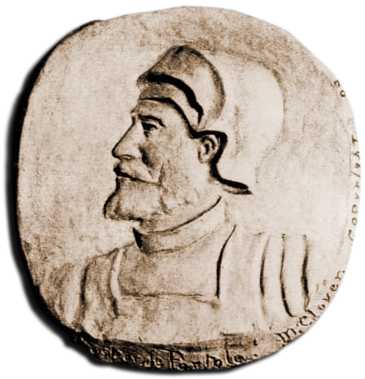
One of the most famous Spanish explorers of this period was Gaspar de Portolà, the founder of San Diego and Monterey, Calif. A QUEST FOR THE FABLED "CITIES OF GOLD" The mission of the Portola expedition and Father Junipero Serra was to establish a chain of Spanish Catholic missions and military forts (bases) on the West Coast and build good relations with the local Indigenous tribes in an old-world effort to gain their cooperation and gather intelligence to find the fabled cities of gold so their untold wealth could be plundered for Spain and personal gain. History supports this point of view because of how the Spanish used similar tactics when it invaded the Aztec Civilization in the 1520s and plundered their lands for Aztec gold.
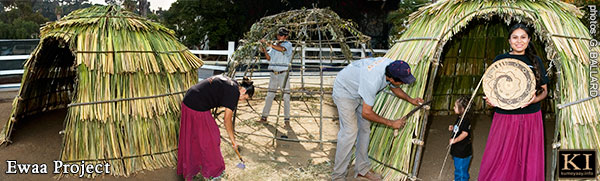
MOVIES In the 1955 movie "Seven Cities of Gold," by Luis Carvacho -- a California historical drama about Portola's 1769 land exploration into the Kumeyaay tribal Indian village of Kosa'aay (present day Old Town San Diego) -- the narrator notes that Portola on his arrival saw hundreds of Kumeyaay shelters (ewaas) in the village of Cosy (Kosa'aay) upon his arrival there in 1769. The Kumeyaay huts ('ewaas) were recreated in the movie and resemble this basic design of willow frame and tule thatching:
VIDEO GAMES In the 1984 video game "Seven Cities of Gold," the player takes the role of a late-15th century explorer for Spain, sets sail for the New World in order to explore the map and interact with the natives to win gold and please the Spanish court. The name derives from the "seven cities" of Quivira and Cíbola that were said to be located somewhere in the Southwest United States (wikipedia.org).
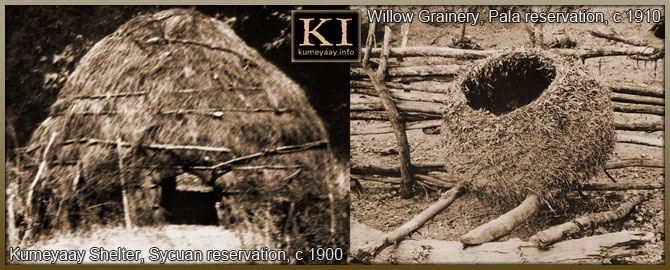
Above: A kumeyaay pre-contact style shelter (aka 'ewaa, kicha or thatched hut) is pictured, circa 1900. Right: A large willow grainery is pictured on the Pala Indian Reservation, circa 1910. The California Indians constructed their graineries and shelters out of willow tree branches because willow contains salicin, a natural insect repelint -- that means whatever food and supplies they stored in willow would remain relatively bug free the seasonal round. |
||||||||||||||||||||||||||||||||||||||||||||||||||||||||||
| FIRST LARGE GROUPS OF SPANISH SETTLERS began arriving in Old Town (Kosa'aay), California, 1776 | ||||||||||||||||||||||||||||||||||||||||||||||||||||||||||
|
SPANISH ARRIVAL (map graphic) 1776, it is estimated the California Indian population was over 150,000 strong -- up until which time the Kumeyaay had been living off the land in harmony with nature, developing their unique North American tribal culture over THOUSANDS of years, including their native Yuman (Hokan) languages. HISTORICAL ACCOUNTS reflect the Pre-Contact Kumeyaay were thriving populations of Native Americans who, by archeological criteria, were living in the Stone Age -- the "Late Prehistoric Period" -- with no use of metals or cloth fabrics -- when "discovered" by Europeans in 1542.
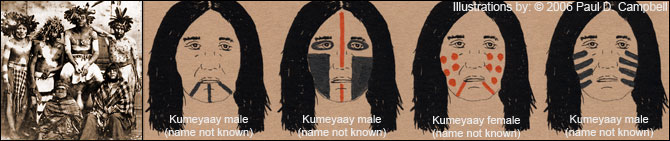
Kumeyaay body and face painting and tattooing were practiced by tribal members and the colors and designs used had special meanings of significance. In 1779 Lt. Colonel Pedro Fages summed up the Kumeyaay attitudes as follows:
|
||||||||||||||||||||||||||||||||||||||||||||||||||||||||||
|
CALIFORNIA MISSION PERIOD (1769-1823)
This book confronts the myth that Californian history and civilization began with the Franciscan missionaries, and it exposes the brutality of these missionaries against the American Indians. It describes Indian life prior to Spanish colonization, deals with the activities of missionaries in California and the Indians' reaction to missionization, looks at the problem of genocide and slavery in the missions, and provides testimony from Indian people who have openly protested the canonization of one Californian catholic missionary. |
||||||||||||||||||||||||||||||||||||||||||||||||||||||||||
|
The Kumeyaay resisted the Spaniards' attempts to take their land, govern them, and convert them, including forcing them into slave labor forces.
MISSION SAN DIEGO DE ALCALA, November 4, 1775 Illustration depicts the death of Father Luís Jayme by rebellious American Indian warriors at Mission San Diego de Alcalá, November 4, 1775. The uprising was the first of a dozen similar incidents that took place in Alta California during the Mission Period, however, most rebellions tended to be localized and short-lived due to the Spaniards' superior weaponry. Kumeyaay resistance more often took the form of non-cooperation (in forced labor), return to their homelands (desertion of forced relocation), and raids on mission livestock (wikipedia.org). It was during this attack, November 4-5, 1775, that Kumeyaay burned the Mission San Diego de Alcalá mission to the ground. What was the name of the fort or church the Kumeyaay burned during these attacks?
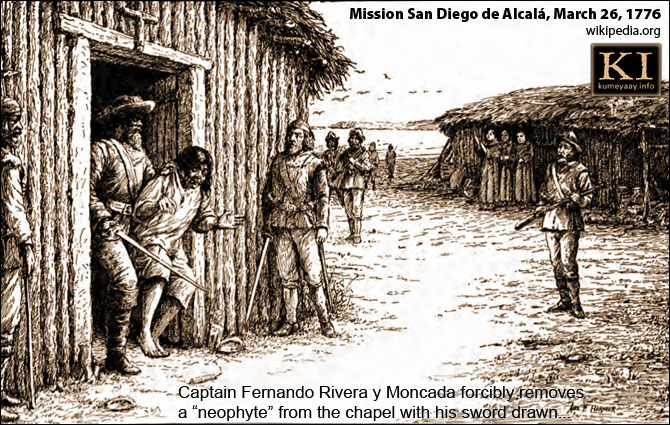
MISSION SAN DIEGO DE ALCALA Captain Fernando Rivera y Moncada violated ecclesiastical asylum at Mission San Diego de Alcalá on March 26, 1776 when he forcibly removed a 'neophyte' in direct defiance of the padres. Missionary Father Pedro Font later described the scene: "...Rivera entered the chapel with drawn sword...con la espada desnuda en la mano." Rivera y Moncada was subsequently excommunicated from the Roman Catholic Church for his actions (wikipedia.org). It was under the strong influences of the "California Mission Period" (1769-1823) that some of the tribes took on the "Mission Indian" namesake, and their ethnographic art was labeled "Mission Indian" art. This name association continues today and the magnificent Mission Indian juncus basketry is highly coveted by collectors and museums. |
||||||||||||||||||||||||||||||||||||||||||||||||||||||||||
| MEXICAN WAR OF INDEPENDENCE 1810-1821
WIKIPEDIA: The Mexican War of Independence -- Guerra de Independencia de México -- was an armed conflict and political process resulting Mexico's independence from the Spainish Empire. HIDALGO REVOLT: On September 16, 1810, Miguel Hidalgo, a Criole priest, started the war with his "Cry of Delores" and called on the people to revolt against the Spaniards. He was eventually captured, defrocked, and executed in July 1811. |
||||||||||||||||||||||||||||||||||||||||||||||||||||||||||
| ALL KUMEYAAY COASTAL LANDS TAKEN BY MILITARY FORCE
BY 1822 the Kumeyaay had lost control of all their prime COASTAL TRIBAL LANDS (map) to the Spanish; the Spanish had been defeated by the Mexicans in the Mexican War of Independence (1810-1821); and San Diego had officially come under Mexican rule. |
||||||||||||||||||||||||||||||||||||||||||||||||||||||||||
| KUMEYAAY WARS 1836-1842
KUMEYAAY ATTACKS 1836-1842 (map) in the now Mexican San Diego territory were to put down the abusive Mexican domination in the greater San Diego region and reclaim prime Kumeyaay coastal lands and water rights -- the Kumeyaay's birthright to their aboriginal tribal homelands. |
||||||||||||||||||||||||||||||||||||||||||||||||||||||||||
| MEXICAN-AMERICAN WAR 1846-1848
IN 1846 the United States Government declared war against Mexico, the Mexican American War (1846-1848).
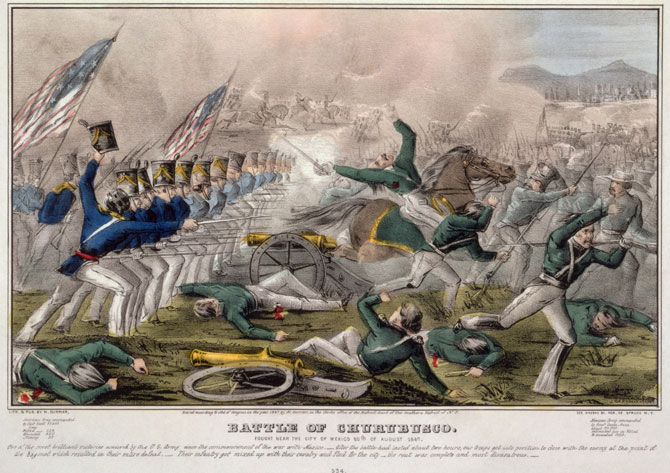
BATTLE OF CHURUBUSCO: With American flags waving, swords drawn, and canons firing, American military forces fight Mexican soldiers near Mexico City, Mexico, August 20, 1847. Illustration by John Cameron (wikipedia). SAN DIEGO CALIFORNIA HISTORY The Spanish took San Diego from the Kumeyaay (1776-1810) -- the Mexicans took San Diego from the Spanish in the Mexican War of Independence (1810–1821) — and the Americans took San Diego from the Mexicans in Mexican American War (1846-1848):
|
||||||||||||||||||||||||||||||||||||||||||||||||||||||||||
| YEAR 1848 — A devastating turn for indigenous California peoples, including the Kumeyaay-Diegueño | ||||||||||||||||||||||||||||||||||||||||||||||||||||||||||
|
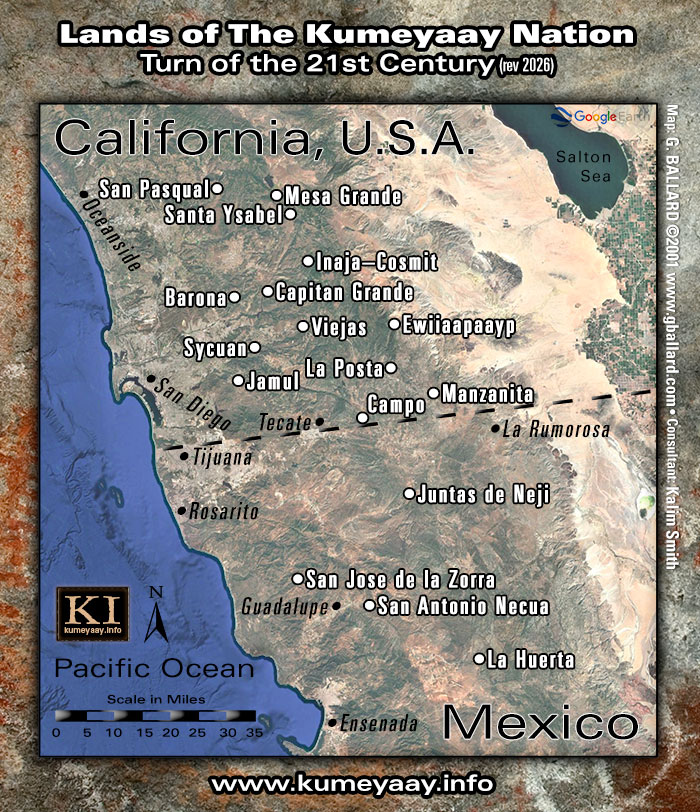
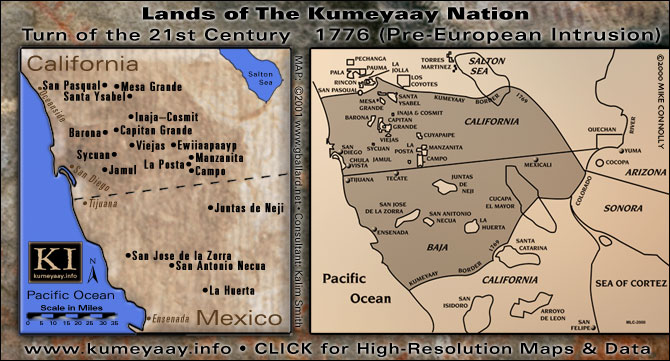
KUMEYAAY TERRITORY, historical and present day In 1848 The Treaty of Guadalupe Hidalgo was signed which ended the Mexican American War and established the current UNITED STATES-MEXICO BORDER, Mexico-U.S. Border and divided California from Mexico. The US-Mexico Border cut through the heart of Kumeyaay ancestral lands and to this day the 'border situation' effectively alienates the southern Kumeyaay in Mexico from their northern Kumeyaay relatives in the United States.
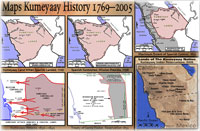
Right map highlights the historical Kumeyaay ancestral homeland in gray prior to European intrusion -- the dots on the modern left map show present-day locations of the seventeen small Kumeyaay Indian reservations at the turn of the 21st century. DOWNLOAD high-resolution Kumeyaay map for educational use. Additional historical MAPS OF THE KUMEYAAY (1776-present). |
||||||||||||||||||||||||||||||||||||||||||||||||||||||||||
|
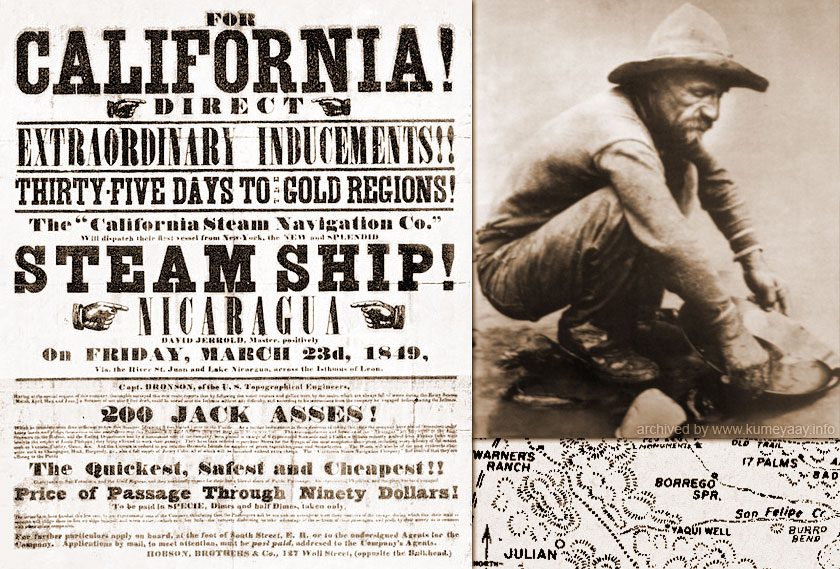
THE CALIFORNIA GOLD RUSH 1848-1855 The California gold rush of 1848 sealed the fate of the California Indians for the next 150-plus years...
The great CALIFORNIA GOLD RUSH of 1848-1855 brought a massive flood of some 300,000 gold prospectors and immigrants pouring into California during this seven-year period -- effectively tripling California's population in seven years.
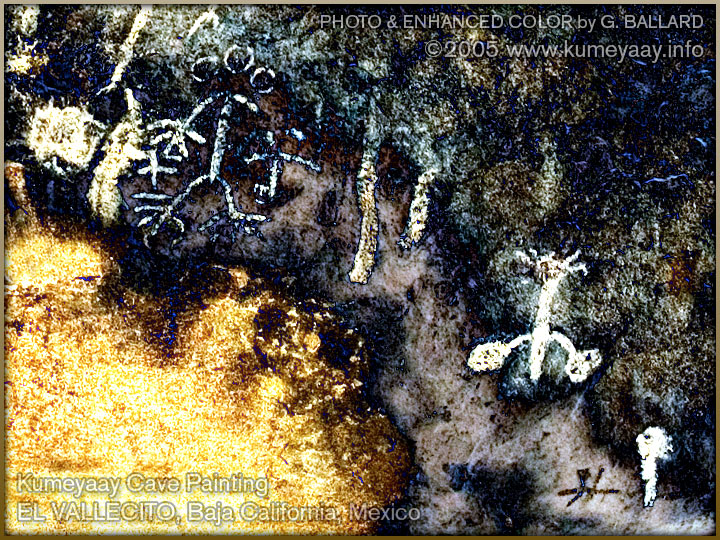
The gold was naturally inherent in this gballard photo -- I did not not paint it in -- the colors revealed their message through Photoshop Curves adjustments. Mouse over the picture to rollover the original dark cave painting scene. If you like Signs, subliminal messaging in your art (like me) this image checks all the boxes. The large dark leaning figure in the original rollover looks like fire residue on the cave wall, or possibly a large charcoal-drawn silhouette of a dancer.... INDIAN GOLD changed the course of California's history for the Indigenous peoples by bringing the full weight of the invaders' superior weaponry, their foreign diseases, and their greed for gold and land bearing down on the backward, ill-prepared aboriginal population of California. CALIFORNIA GOLD RUSH, 1848 -- Spain's military and its church came first for the Indigenous tribal gold in 1769 -- then the white immigrants flooded in 1848.
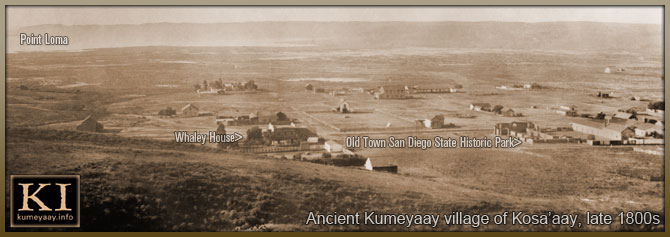
PRE-CONTACT Kumeyaay Village of Kosa'aay: SAN DIEGO IN THE LATE 1800s: Photographed circa mid-to-late 19th century -- taken decades after the Kumeyaay had been ran out of their key ancestral villages and all their prime coastal areas -- the ancient Kumeyaay village of Kosa'aay (now known as Old Town San Diego State Historic Park) looked very different than it appears today. In this late 19th century San Diego photograph, the 1848 gold rush had been over for decades -- the Americans had been in control of the area for decades -- the Kumeyaay had been forced out of this pre-contact Kosa'aay village area by 1822 and had been living in harsh desert backcountry for decades when this photo was recorded. The had been "Pushed into the Rocks" as Florence Shipek (Ph.D. researcher) titled her book.
DOWNLOAD HIGHER RESOLUTION I captioned the Whaley House (in what is known today as Old Town San Diego State Historic Park). It looks photographed from Presidio Hill area. I am not exactly sure the exact map location of Kosa'aay, but it close by in any case
OLD TOWN SAN DIEGO HISTORICAL YOUTUBE DOCUMENTARY Kosa'aay is of great importance to American history because it is where the Kumeyaay first fought back against the subjugation of New Spain. Secondarily, this Indian village site is the birthplace of Historic California. For these reasons we must protect, enshrine, and interpret this irreplaceable cornerstone of America. Geoffrey Mogilner www.cosoy.org, "We have focused some of the history and added 18th Century music in our YouTube video. Our goal is to promote organizational endorsements of the Kosa'aay regional Circulation Proposal and send the endorsements to the City of San Diego and to SANDAG. We want them to plan circulation improvements around rather than through Kosa'aay." KOSA'AAY.ORG INTERPRETATION PROPOSAL (downloadPDF): With this letter we wish to communicate that: 1) Kosa’aay (Cosoy) was the 1769 Birthplace of California and lies within the Old Town Community; 2) At this site in August, 1769 was the first instance of organized First-Nations resistance against European Colonization on the U.S. Pacific Coast.... |
||||||||||||||||||||||||||||||||||||||||||||||||||||||||||
| OLD-WORLD ETHNIC CLEANSING ENSUED to rid Southern California (and America) of its indigenous populations | ||||||||||||||||||||||||||||||||||||||||||||||||||||||||||
|
CULTURAL GENOCIDE IN CALIFORNIA By many credible and documented historical accounts, the ensuing U.S. government and California state and local militia control over the Kumeyaay were blatantly genocidal to the California Indian peoples For example:
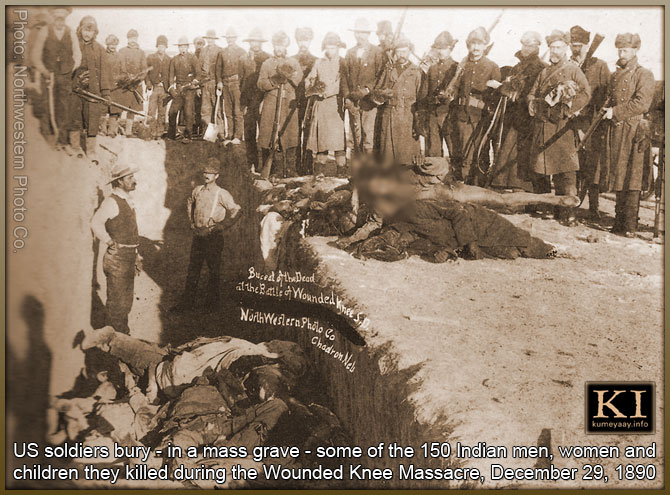
WOUNDED KNEE CREEK, Dec. 29, 1980 Historic caption wrote on this vintage photograph calls the event "the Battle of Wounded Knee, S.D" -- but historical records suggest the killings were nothing less than the bloody murder of many unarmed men, women and children. When the smoke cleared from the gunfire at the Wounded Knee Massacre, some 150 Lakota Sioux Indian men, women and children had been shot dead, and 51 were wounded (4 men, 47 women and children) by U.S. Army soldiers of the 7th Cavalry Regiment. Some Lakota were able to escape the killing field, but U.S. cavalrymen pursued and murdered many of those who were unarmed. Visit the WOUNDED KNEE MUSEUM website for moden multimedia presentations about the Wounded Knee Massacre, including on-line museum, virtual tours and exhibits, movies -- they even host an area "For Decendants" of the massacre. |
||||||||||||||||||||||||||||||||||||||||||||||||||||||||||
| GENOCIDE "IN THE NAME OF THE CHURCH" | ||||||||||||||||||||||||||||||||||||||||||||||||||||||||||
|
Likewise, the CALIFORNIA SPANISH MISSION SYSTEM was also disastrous to the ageless California Indian spirit and timeless culture in government-sanctioned attempts to assimilate Native American Indians into "civilized society" during this dark, bloody chapter in early American history.
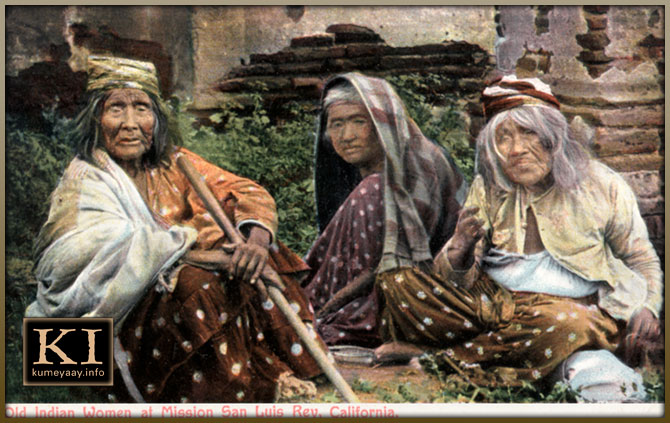
Antique colored postcard of three Native "Mission Indian" women, postmarked 1912, "Old Indian Women at Mission Luis Rey, California." INDIAN BOARDING SCHOOLS:
HISTORICAL WEB PORTAL American Indian Boarding Schools, circa 1850-present... "Kill the Indian, save the man," Capt. Richard Henry Pratt, circa 1880, Founder and long-time Superintendent of the Carlisle Indian school system. Webmaster note: When looking at the old photographs, I think it is important to know a bit of the history -- what was happening at the time -- to better understand the images. |
||||||||||||||||||||||||||||||||||||||||||||||||||||||||||
| ONLY 1,000 KUMEYAAY INDIANS SURVIVED THE 1800s | ||||||||||||||||||||||||||||||||||||||||||||||||||||||||||
|
Of the 16,000 or so surviving California Indians in 1900 -- only around 1,000 Kumeyaay Indians are believed to have survived the turn of the 20th century in San Diego County -- and all but their least desirable tribal lands had been taken by settlers, state and federal officials. The unratified TREATY OF SANTA YSABEL 1852 (map) (text PDF) meant to establish a Kumeyaay Diegueño Indian Reservation over 60 miles inland in the most remote, hostile, high-mountain deserts of San Diego County, Riverside County and Imperial County -- Mike Connolly's historical map diagram shows very dramatic evidence of the American government's intent to cleanse San Diego of its indigenous population. KUMEYAAY HOMES, Early 1900s
San Diego historical photograph: Turn of the century Kumeyaay homes made of tree branches and adobe bricks, ramada (probably oak framing).
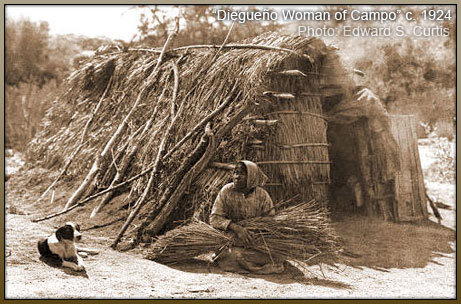
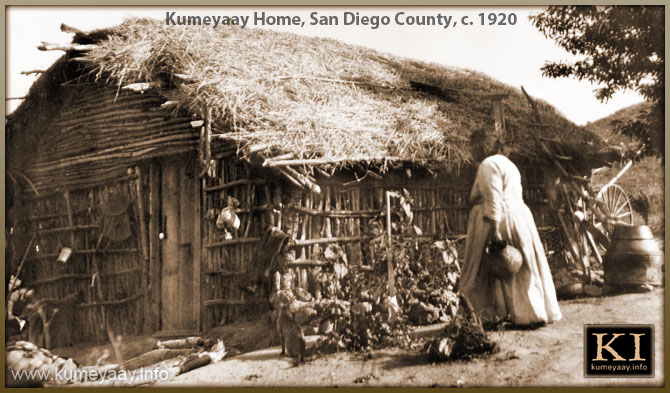
Kumeyaay dwelling, circa 1920s. Exterior walls made of tree stems, roof thatched with grass and tree branches, elderly woman in dress holding clay pot -- do you see the kitty cat? |
||||||||||||||||||||||||||||||||||||||||||||||||||||||||||
| A Unique Aboriginal Culture and its People are Humbled | ||||||||||||||||||||||||||||||||||||||||||||||||||||||||||
|
The turn of the 20th century (1900) saw the Kumeyaay survivors psychically and culturally decimated, and impoverished -- a world away from the strong, independent people they were prior to the 1800s and European contact. Unlike many of the eastern and plains Indians who lost all their tribal homelands to the foreign invaders -- the Kumeyaay Indians today have retained very small, remote parcels of their ancestral lands -- likely because Kumeyaay territory was not invaded until much later, 1776, and there was some undesirable land here to relocate them to, or rocks for them to hide away and survive the genocide.
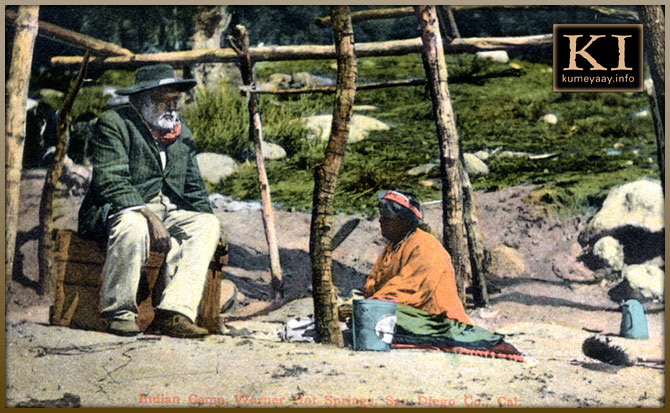
Antique, hand-colored postcard, postmarked 1912, "Indian Camp, Warner Hot Springs, San Diego, Co., Cal." So Cal Indians sitting on granite rocks under makeshift ramada. |
||||||||||||||||||||||||||||||||||||||||||||||||||||||||||
| THE 20TH CENTURY
Stories of Perseverance, Survival and Leadership |
||||||||||||||||||||||||||||||||||||||||||||||||||||||||||
|
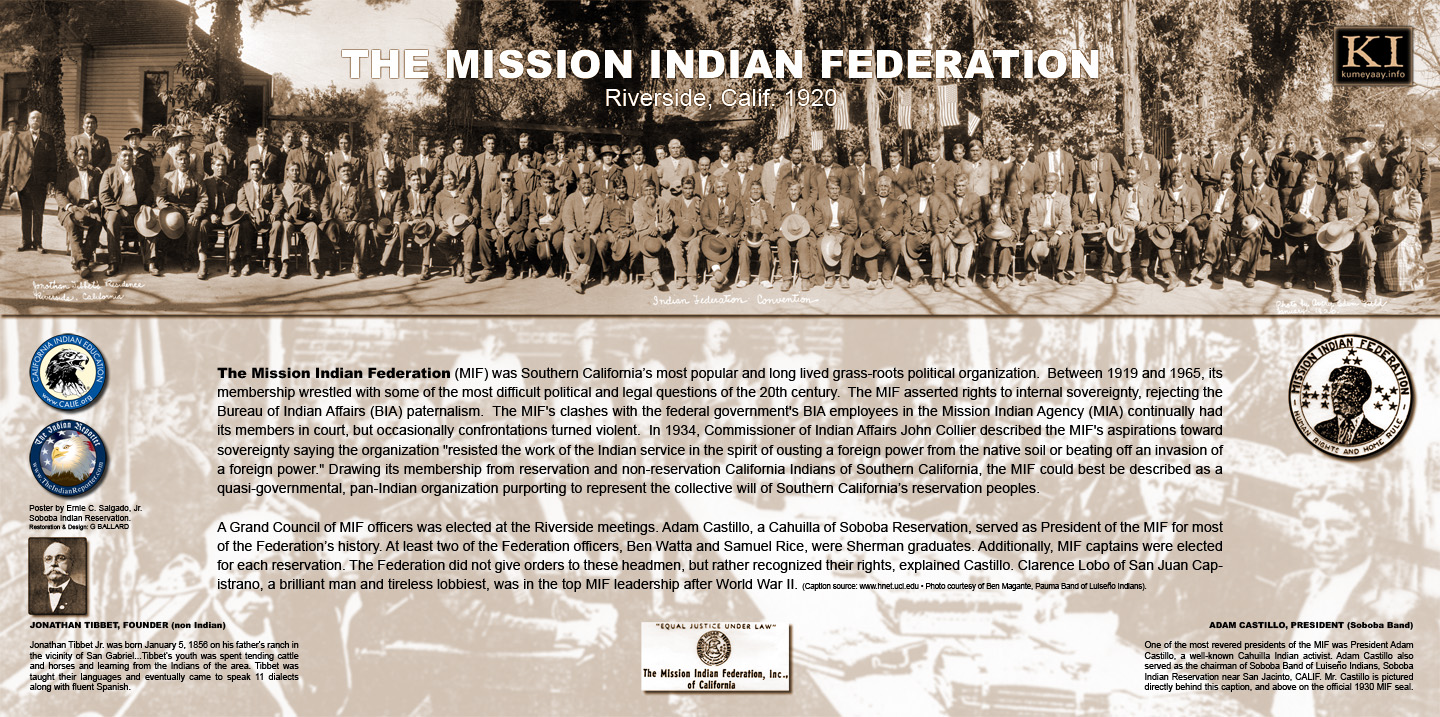
The 1900s contain too many sad stories of forced relocation, generational cycles of abject reservation poverty and personal struggles for American Indians living in the United States during this period -- but the 20th century also contains many great inspiring stories of survival, leadership and cultural renaissance. One such story is that of the men and women who made up the Mission Indian Federation (MIF). Active 1919-1965, the MIF was Southern California's most popular and long-lived grass-roots political organization. MIF members fought against many historical and present-day local, state and federal policies that discriminated against American Indians -- including hard fought battles over tribal sovereignty issues, securing equal rights for Indians -- the Indian Citizenship Act of 1924 and ensuring voting rights for Indians under the U.S. Constitution.
The Mission Indian Federation, pictured in Riverside, California, 1920, at the home of Jonathan Tibbet (founder of the MIF). This MIF poster was designed by G. BALLARD for www.calie.org at 24x48 inches (at 300 ppi) and it could easily print clear at 44x90 inches and small at 12x36 inches. Please contact the webmaster if you would like poster prints for framing of this historical work. |
||||||||||||||||||||||||||||||||||||||||||||||||||||||||||
| GREAT HOPE FOR THE FUTURE at the Turn of the 21st Century in the County of San Diego | ||||||||||||||||||||||||||||||||||||||||||||||||||||||||||
|
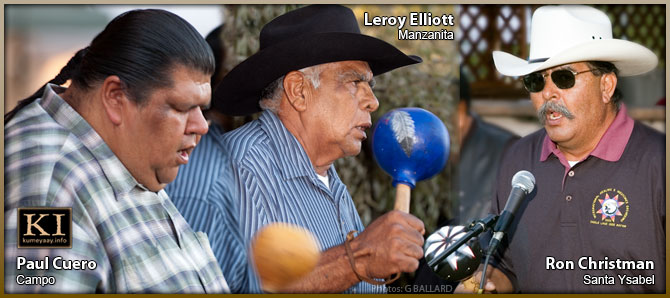
KUMEYAAY LEADERS Important Kumeyaay leaders at the turn of the 21st Century (pictured 2005-2006, l-r): Chairman Paul Cuero (Campo), Chairman Leroy Elliott (Manzanita), Medicine Man Ron Christman (Santa Ysabel). For more information about tribal chairmen, please visit the Southern California Tribal Chairmen's Association SCTCA website.
CALIFORNIA INDIAN COMMUNITY Profiles -- Tribal leaders in Southern California Indian Country, education, culture, art, sports, spiritual, government.
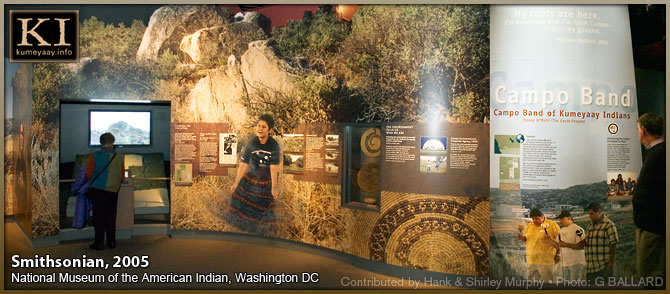
KUMEYAAY MUSEUM EXHIBIT "Our Lives" at the Smithsonian National Museum of the American Indian, Washington D.C., 2005, featured the Campo Kumeyaay Nation.
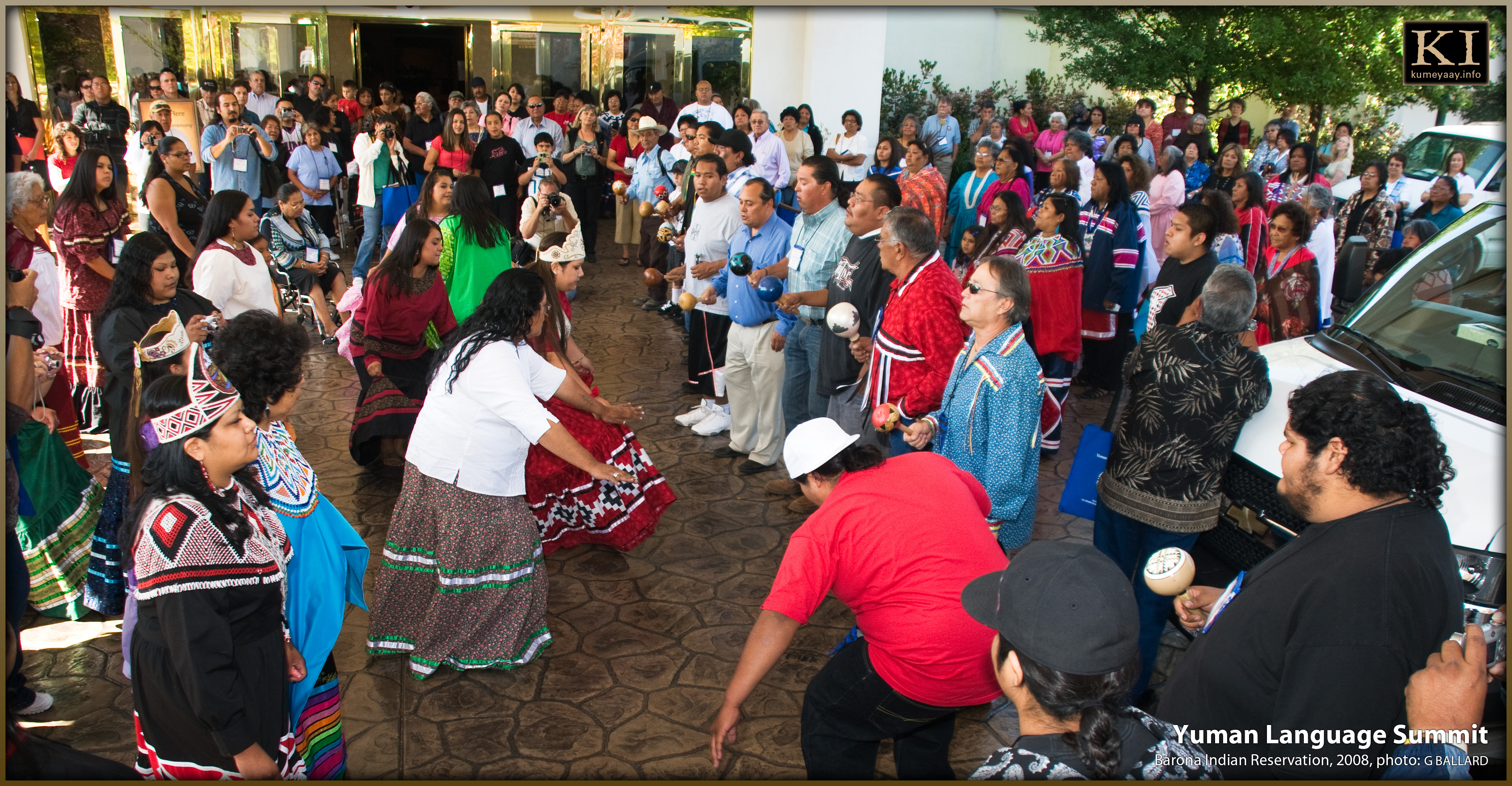
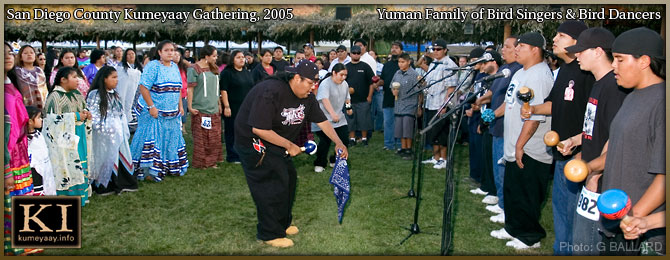
Local Southern California Indians gathered on an east county Indian reservation in 2005 and celebrated their shared Yuman culture with traditional singing and dancing. Larry Hammond Jr. (Fort Mojave Indian Reservation) is pictured center holding a blue and white handkerchief, wearing a black Native Threads logo shirt and blue ball cap.
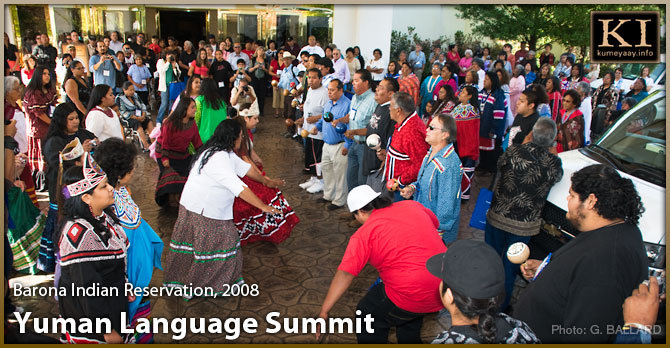
INTER-TRIBAL GATHERING Yuman tribal members gathered on the Barona Indian Reservation during the Sixth Annual Yuman Family Language Summit -- Yuman tribes participating in the language event included Quechan Kiliwa, Pai Pai, Diegueño, Kumeyaay, Kumiai, Cucapa, Cocopah, Cochimi, Maricopa, Prescott, Wiipuhka'pah, Mohaves, Fort Mojave, Hualapai, Havasupai Indians.
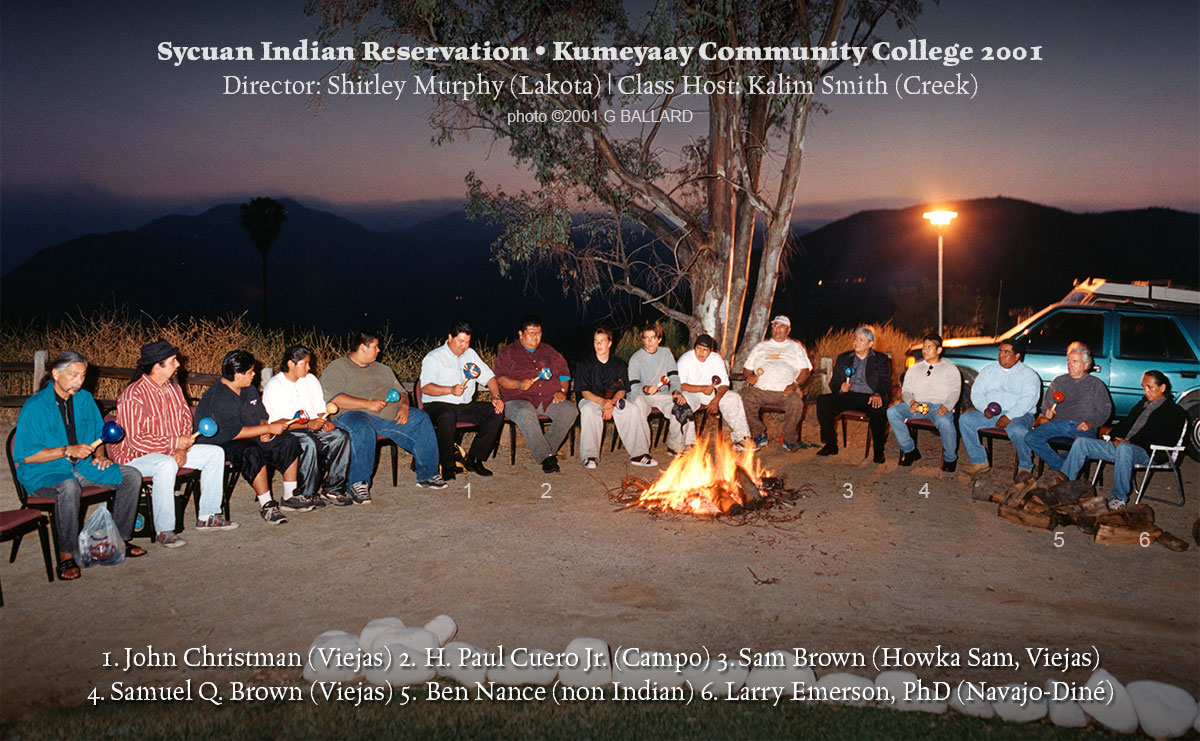
CALIFORNIA CULTURAL RENAISSANCE Photo IDs: 1) John Christman (Viejas), 2) Paul Cuero (Campo), 3) Samuel Brown (Viejas), 4) Sam Q. Brown (Viejas), 5) Ben Nance (non-Indian), and 6) Dr. Larry Emerson (Diné-Navajo). Not pictured: Kalim Smith (Creek) class host), and Shirley Murphy (Lakota) director. The turn of the 21st century brought a select few of the California Indian bands great financial wealth through casino gaming revenues and the resources to invest in their cultural education. In the above historical Sycuan photograph, local Bird Singers gathered on the reservation at Kumeyaay Community College and are pictured around a burning campfire learning and singing ageless traditional Yuman bird songs.
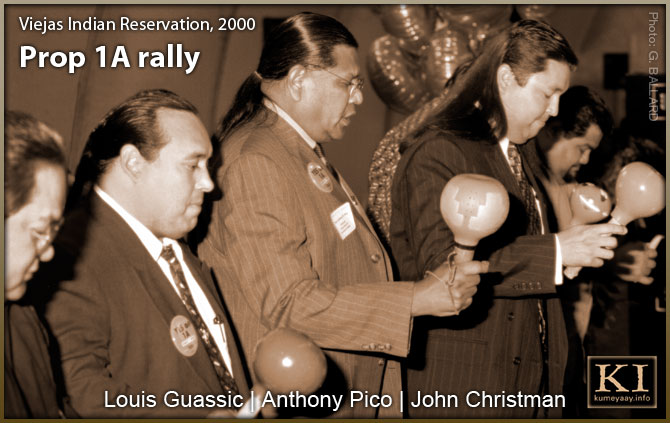
KEY KUMEYAAY ACTIVISTS Political rally on the Viejas Kumeyaay reservation during the political fight for California Indian Gaming rights in 2000. Pictured (l-r) are Louis Guassic (Mesa Grande), Anthony Pico (Viejas) and John Christman (Viejas). The Kumeyaay bird singers are playing traditional California Indian gourd rattles. |
||||||||||||||||||||||||||||||||||||||||||||||||||||||||||
| INDIAN GAMING 1988-Present | ||||||||||||||||||||||||||||||||||||||||||||||||||||||||||
|
CALIFORNIA INDIAN GAMING BACKGROUND & HISTORY IN SAN DIEGO COUNTY With congress passing the INDIAN GAMING REGULATORY ACT (IGRA) in 1988, and voters overwhelmingly approving PROPOSITION 1A in 2000 -- California Indians, as SOVEREIGN INDIAN NATIONS, at last have a shot at participating in the American Dream...
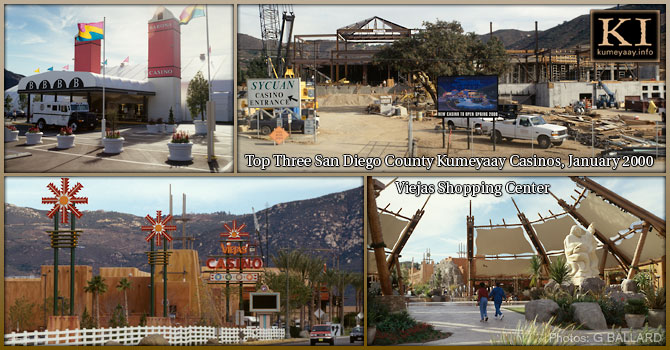
Top three "KUMEYAAY CASINOS" in San Diego County, January, 2000: Barona, Sycuan, Viejas.
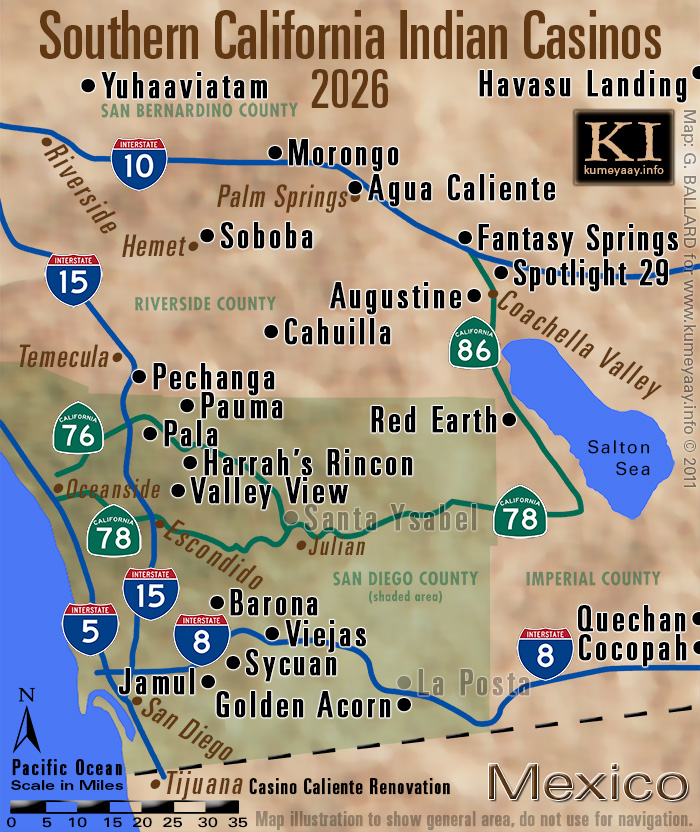
SAN DIEGO CASINOS MAP |
||||||||||||||||||||||||||||||||||||||||||||||||||||||||||
|
Department of the Interior (DOI), 2011: The Department of the Interior has a solemn responsibility to uphold the federal government’s unique government-to-government relationship with federally recognized American Indian and Alaska Native tribes, as provided for by the Constitution of the United States, U.S. treaties and court decisions, presidential executive orders and federal policies and administrative actions. We recognize that a legacy of injustice and broken promises shapes the history of the federal government’s relationship with the American Indian and Alaska Native people. We are therefore working to turn the page on the federal government’s pattern of neglect of this community and, instead, build a strategy for empowerment that helps the tribal nations forge futures of their own choosing. To chart this new path, we are restoring the government-to-government relationship between the federal government and these tribal nations because “self-determination,” “sovereignty,” “self-government,” “empowerment,” and “self-reliance” are not abstract concepts. Rather, they are the tools that will enable tribal nations to shape their collective destiny. This is why Interior is committed to partnering with American Indian and Alaska Native communities to help them prosper by expanding education and employment opportunities for youth and adults, protecting lives and property by strengthening law enforcement, and building strong, sustainable tribal economies.... SOURCE | PDF Source: www.doi.gov |
||||||||||||||||||||||||||||||||||||||||||||||||||||||||||
| FOR MORE DETAILED INFORMATION | ||||||||||||||||||||||||||||||||||||||||||||||||||||||||||
|
This sort of student essay (and my limited perspective) cannot possibly convey a rounded or complete history of the Kumeyaay, but it is my good attempt. For more detailed information about the Kumeyaay, please visit the official Kumeyaay tribal Web sites to get their information directly from their tribal historians — just click on their website History & Culture type links.
Campo and Barona tribal councils appear particularly committed to Kumeyaay education and sharing their contemporary and historical tribal culture with the public. The BARONA CULTURAL CENTER & MUSEUM (on the Barona Indian Reservation), and the SAN DIEGO MUSEUM OF US (in Balboa Park) are two fine San Diego museums to learn about the Kumeyaay way -- both Kumeyaay resources are rich with Kumeyaay relics such as antique pottery, metates, baskets, weapons, ceremonial items, and games.
Michael Connolly Miskwish, Kumeyaay of Campo reservation, is likely the best known turn-of-the-21st-century writer about Kumeyaay history. Check out his two recent books: "Kumeyaay: A History Textbook, Vol 1, Precontact to 1893" (2006) and "Sycuan. Our People. Our Culture. Our History." (2006). Much of the information presented in this Kumeyaay website is based on Michael's historical writings and map drawings.
Geralyn Marie Hoffman & Lynn H. Gamble, Ph.D. (Institute for Regional Studies of the Californias, San Diego State University 2006), published "A Teacher's Guide to Historical and Contemporary Kumeyaay Culture" (DOWNLOAD PDF) as a supplemental resource for 3rd & 4th grade teachers. Very respectfully, GARY G. BALLARD |
||||||||||||||||||||||||||||||||||||||||||||||||||||||||||
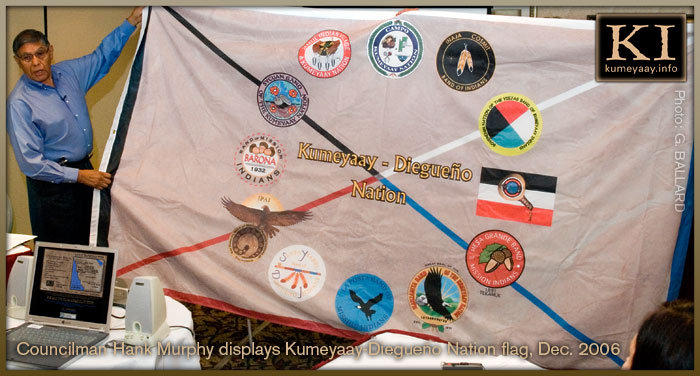
| SOVEREIGN FEDERALLY-RECOGNIZED KUMEYAAY TRIBAL GOVERNMENTS |
|
THE KUMEYAAY NATION
THE FOUR INDIGENOUS TRIBES native to the County of San Diego include: CAHUILLA | CUPENO | LUISENO | KUMEYAAY-DIEGUENO MAP of the Southern California Tribal Reservations:
SOUTHERN CALIFORNIA TRIBAL INDEX Map of the Southern California Indian reservations, including direct links to their official tribal websites. HOW TO CONTACT the SOCAL tribal governments SCTCA: BARONA, CAHUILLA, CAMPO, CHEMEHUEVI, EWIIAAPAAYP, INAJA-COSMIT, JAMUL, LA JOLLA, LA POSTA, LOS COYOTES, MANZANITA, MESA GRANDE, PALA, PAUMA, RINCON, SAN PASQUAL, SANTA YSABEL, SYCUAN, VIEJAS |
| Baja Calif., Mexico, Kumiai Ejido Communities |
|
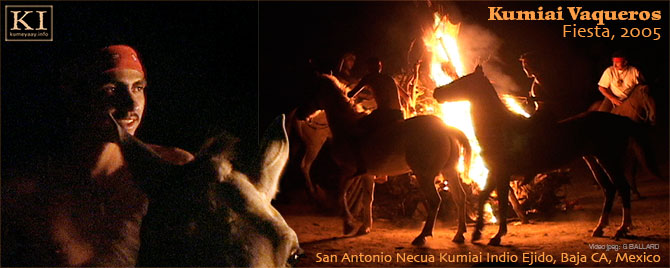
The Kumiai Indio Ejidos of Baja Norte, MX:
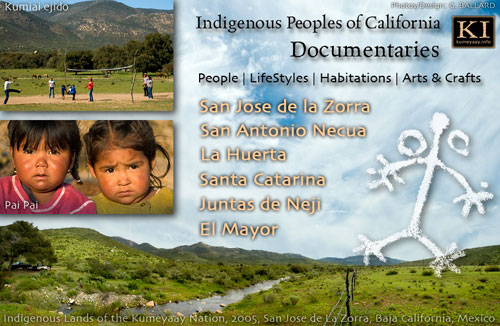
21st century multi-media documentaries, including housing, ethnographic art, indigenous tribal communities of Baja CALIF, MX.
|
This study guide was compiled and presented by the KUMEYAAY.INFO founder, Gary Ballard, as such, it is based on his non-Indian views and perspectives of Kumeyaay history.
Special thanks to the people and organizations whose research was used and cited, most notably: Anthony Pico (Viejas band), Mike Connolly (Campo band) and WIKIPEDIA.ORG
 KUMEYAAY HISTORY:
 Before gaming and revenue our people lived in despair, in abject and grinding poverty.


 I wasn't in on the meeting with King Charles III when he approved this 1760s expedition to the California West Coast, but to believe this conquest was not focused squarely on plundering the rumored Seven Cities of Gold would be naive....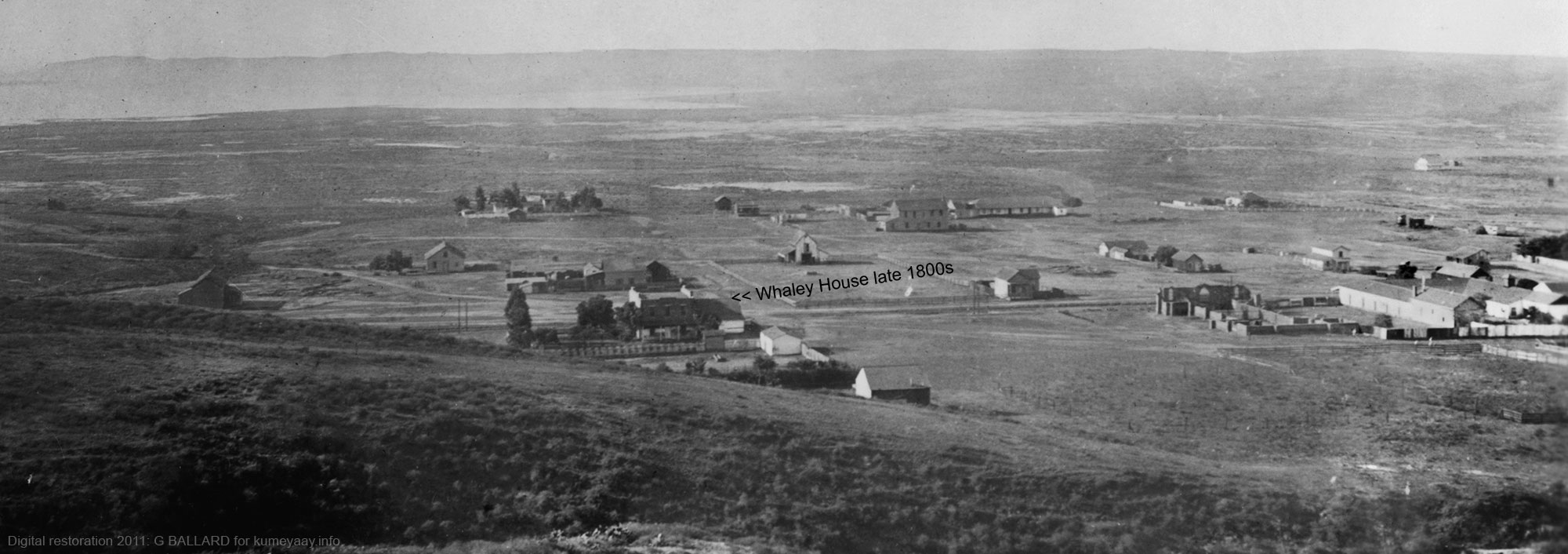

 A good book on this subject is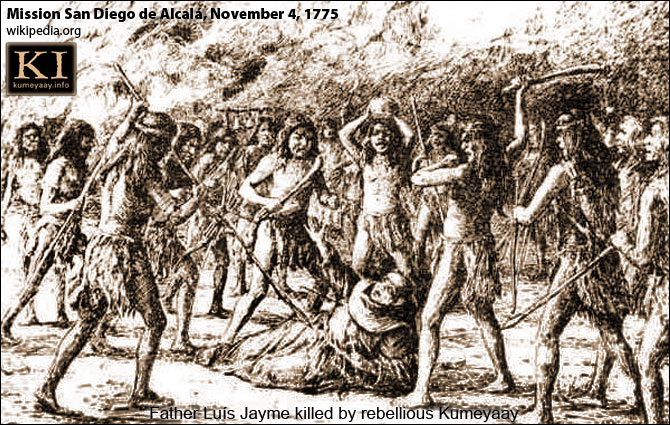






 Michael G. Baksh, Ph.D. of daphne.palomar.edu, published a great academically-researched