KUMEYAAY CALENDAR
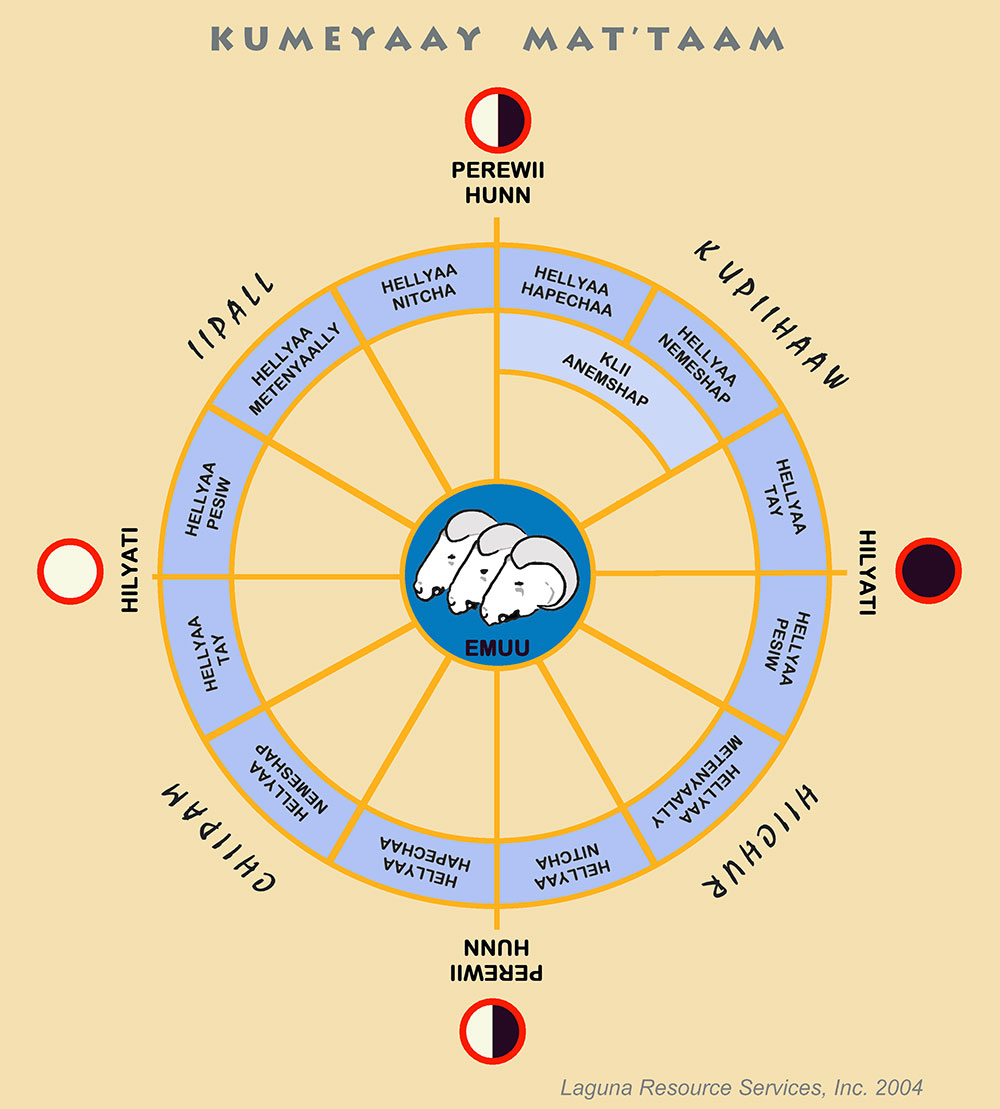
Calendar Graphic and Caption by Mike Connolly Miskwish, Campo Kumeyaay, Laguna Resources Services, Inc. 2004
KUMEYAAY MAT'TAAM
means Kumeyaay Year
This calendar is a contemporary interpretation of the traditional Kumeyaay calendar. Originally, the calendar was flexible and adaptive to changing conditions. One year the summer may be longer than others, while the next year the winter may be extraordinarily lengthy. Certain celestial events helped to readjust and reset the year.
The most important of these events was the ascendency of the constellation EMUU (Three Mountain Sheep) to its zenith just before dawn. This corresponds to the three stars of Orion's belt and they reach their zenith around the fall equinox of September 21st.
A mini season overlaps the fall. This was the season of KLII Anemshap or the acorn harvest season. It falls from September 21 to November 21.
Reading the calendar from the top is Perewii Hunn or the Fall Equinox. Fall is Kupiihaaw and the months are Hellyaa. December 21st is the winter solstice, called Hilyati in Kumeyaay. Hiichur is winter, ending in Perewii Hunn or Spring Equinox. Spring is Chiipam ending in Hilyati or Summer Solstice. The calendar concludes with Ippall or summer.
Months of the Kumeyaay Calendar:
Halakwol - September Halakwol - March
Halanyimcep - October Halanyimcep - April
Halatai - November Halatai - May
Halapisu - December Halapisu - June
Halamrtinya - January Halamrtinya - July
Halanitca - February Halanitca - August
Halakwol - September (Kumeyaay New Year)
The names of the months repeat after six months.
This is similar to the way we repeat hours on our clocks with 12 hours repeated after noon. The months are not exactly the same as the calendar most of us use today, months follow the phases of the moon, with adjustments made by the appearance of certain constellations.
Two of the Kumeyaay constellation names are:
The Three Mountain Sheep
The Hand and the Buzzard
The solstices are known as Hilyatai.
The Milky Way is called Hatotkeur.
Astronomy was an important tool to time when plants could be harvested or when burns should take place. The calendar was probably used to determine when the Sh'mulq (clan) should move to winter or summer camps.
For more information on the Kumeyaay People, visit:
Campo Band of Mission Indians Web Site
The Four Seasons:
Chiipam - Spring
Iipaal - Summer
Kupiihaw - Fall
Hiichur - Winter
"They knew the land well, watching the seasons pass."
Kumeyaay seasons courtesy of Jamul website.
Has excellent Historical section!

KUMEYAAY MAPPING PROJECT:
KUMEYAAY MAPPING PROJECT:
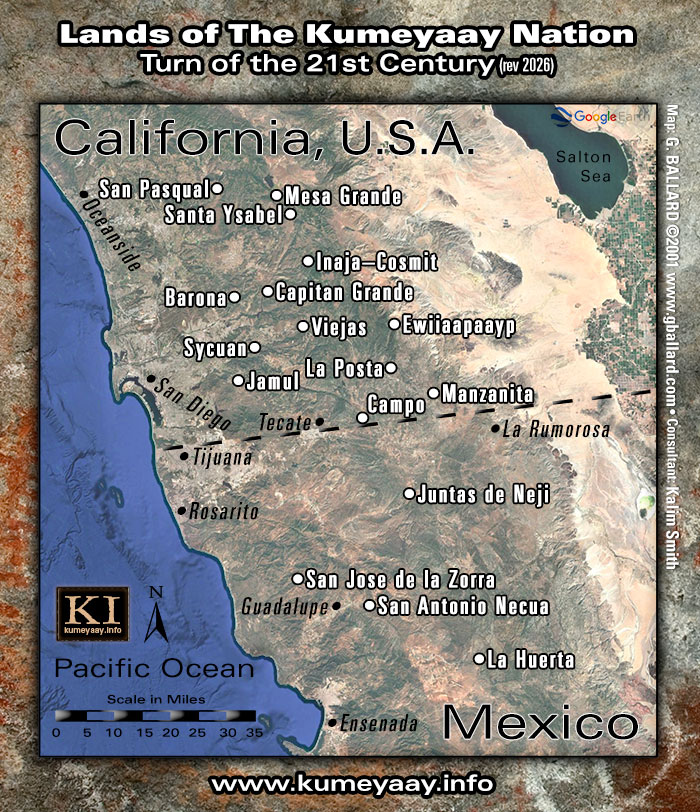
Cartography pinpoints current locations and colonial history -- the complete list of 13 Kumeyaay Indian reservations in the United States of America, and four Kumiai tribu ejidos in Mexico; 17 Indian reservations in the County of San Diego; old Indian maps; plus an interactive casino locator map listing all the tribally-owned Indian casinos and resorts in Southern California.
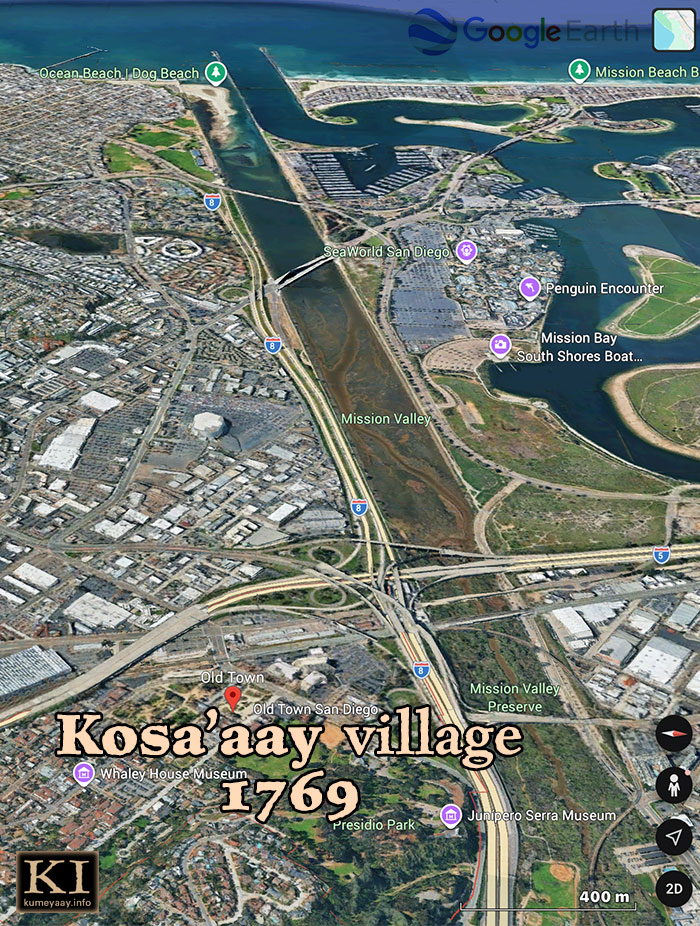
Colonial history, 1760s through present-day area of Kosa'aay pictured above in 2026, now known as Old Town San Diego, a popular tourist hotspot on prime Kumeyaay ancestral land.
GROUND ZERO for the California Indians....

"Native Groups in Northern Lower California"
Map by PEVERIL MEIGS III 1936
HISTORICAL Way Back
Southern California Tribal Regalia
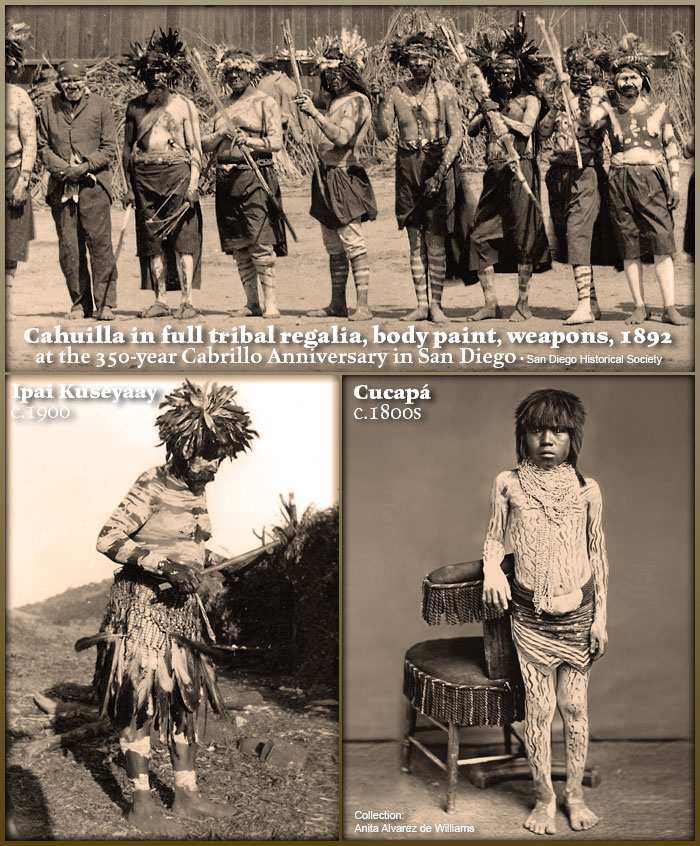
ORIGINAL TRIBAL CULTURE...
The Cahuilla tribe is considered Indigenous to the San Diego region. The Cucapá tribe is one of two Yuman tribes categorized within the so-called Hokan Delta-California language group -- the Kumeyaay tribe is the other.
The tribesmen in the above set likely have distinct markings identifying their tribal bands to each other -- if you know what to look for.
ETHNOGRAPHIC STUDY
OF THE KUMEYAAY
by Michael G. Baksh, PhD
An historical academically-researched paper about Southern California Indigenous SUBSISTENCE | HOUSING & TECHNOLOGY | SETTLEMENTS & SEASONAL ROUND | KUMEYAAY AGRICULTURE | SOCIAL ORGANIZATION | TRADE | SPIRITUAL LIFE....
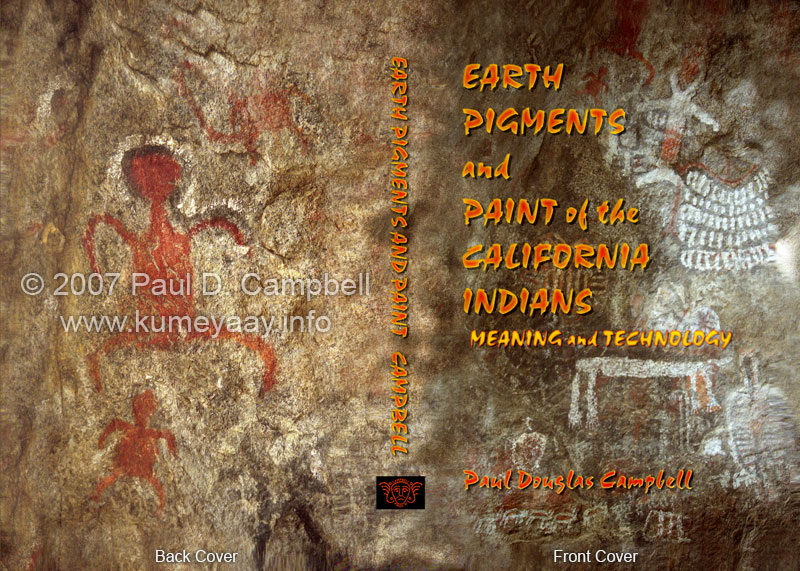
DEEP DIVE into Prehistoric Culture...
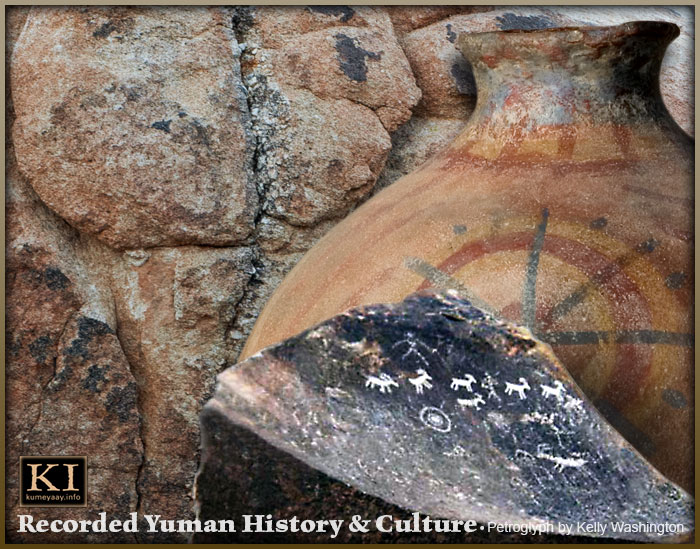
Traditional records of Indigenous Southern California history & culture:
Southern California Aboriginal tribes preserved their culture in two basic mediums: 1) Orally through Storytelling and Bird Singing, (2) granite sculptures, petroglyphs and pictographs....
The Yoni granite sculpture background in this composited graphic was photographed at Indian Hill, Anza Borrego Desert State Park in 2004 -- notice the dark aged paint, it must have been all painted up in celebrated form. The rare painted Polychrome olla was found in the late 1900s in western Imperial County. The Petroglyph rock was photographed by Kelly Washington in 2004 at Vii Kwame, a sacred mountain for many of the Yuman tribes.
|


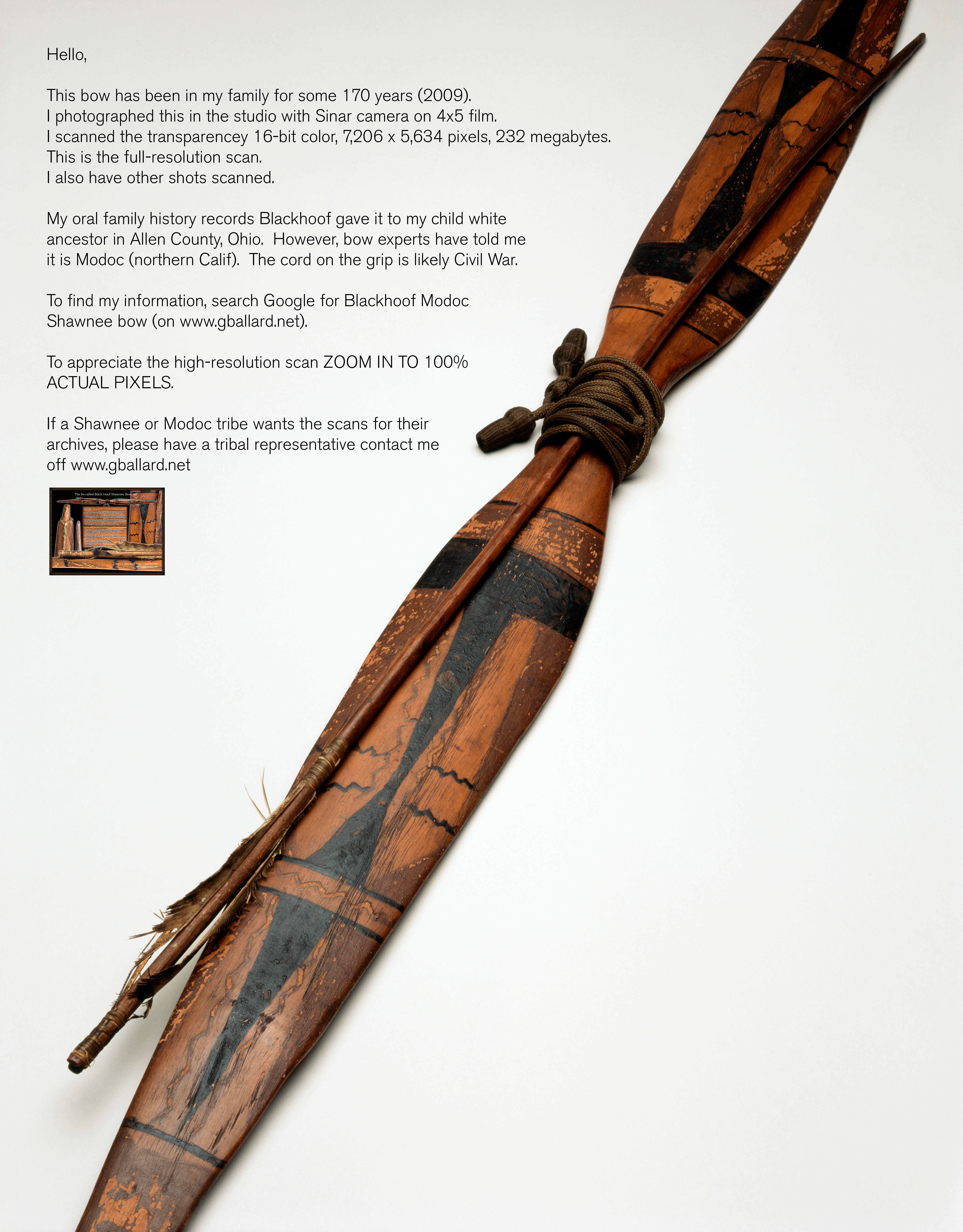


 The ground on which we stand is sacred ground. It is the dust and blood of our ancestors.